CIMAR 21 - Oceanic Islands
General Description and Scientific Significance
The CIMAR 21 – Oceanic Islands expedition, conducted between 12 October and 11 November 2015 aboard the Chilean Navy's oceanographic research vessel AGS-61 Cabo de Hornos, was organized by the National Oceanographic Committee (CONA) to carry out multidisciplinary oceanographic research in the southeastern Pacific Ocean, across the region extending from Caldera to Rapa Nui (Easter Island) and the Salas y Gómez Islands.
The expedition aimed to characterize the physical, chemical, and biological conditions of this vast oceanic region, one of the most remote and least explored areas of the southeastern Pacific. The research focused on understanding marine biodiversity and its relationship with environmental variables, as well as the physical and biogeochemical processes that regulate the functioning of oceanic ecosystems surrounding Chile's oceanic islands.
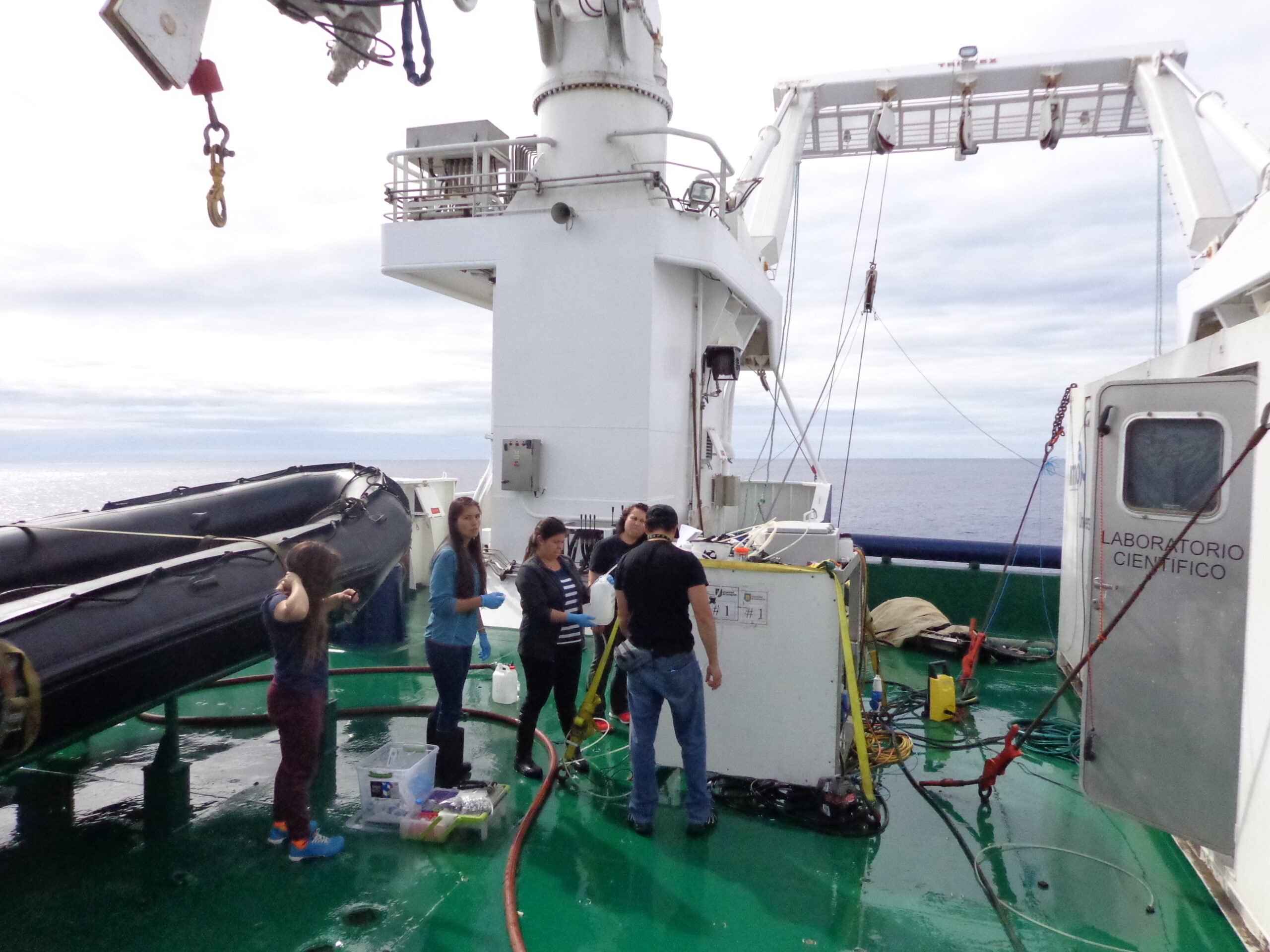
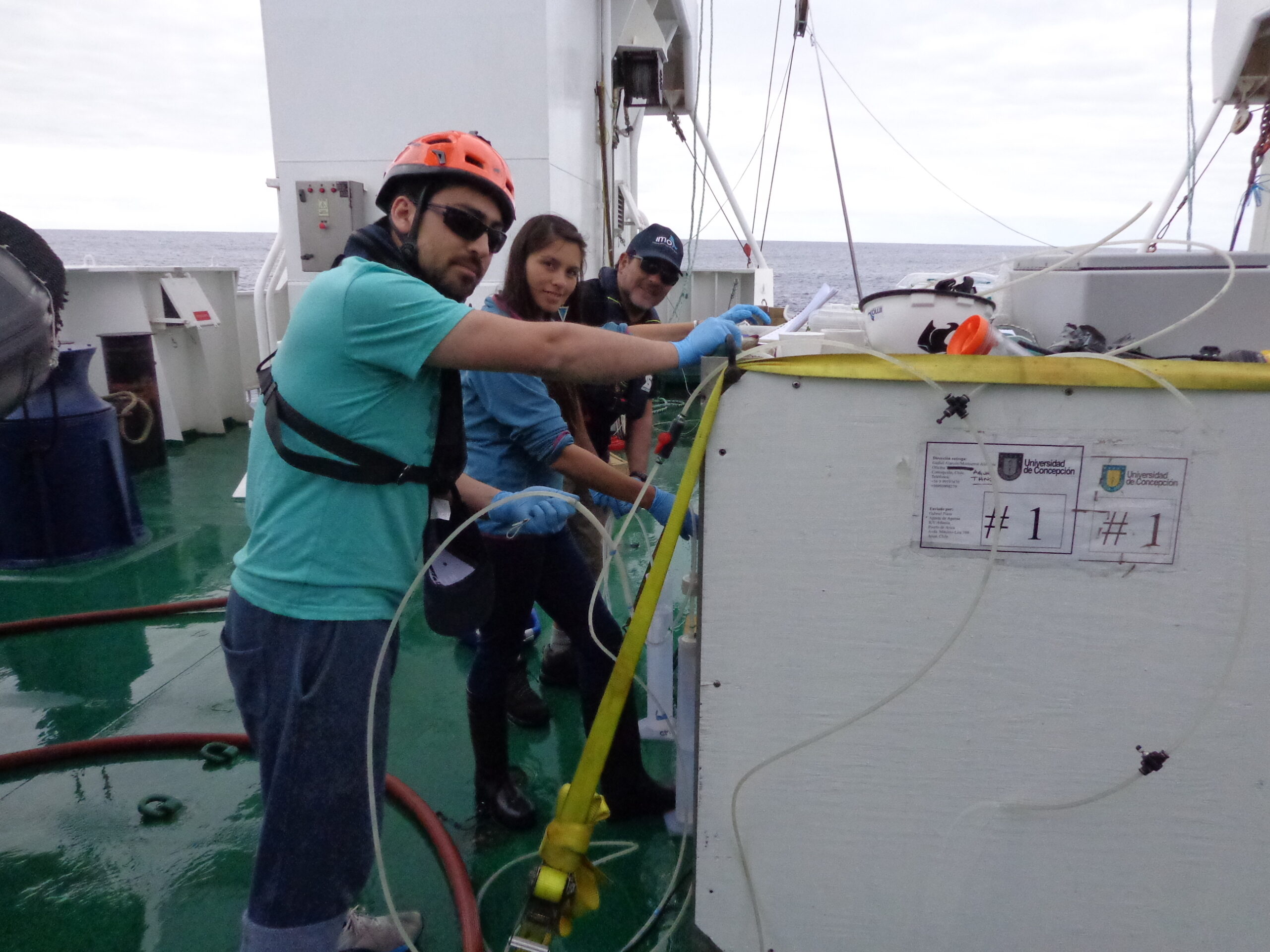
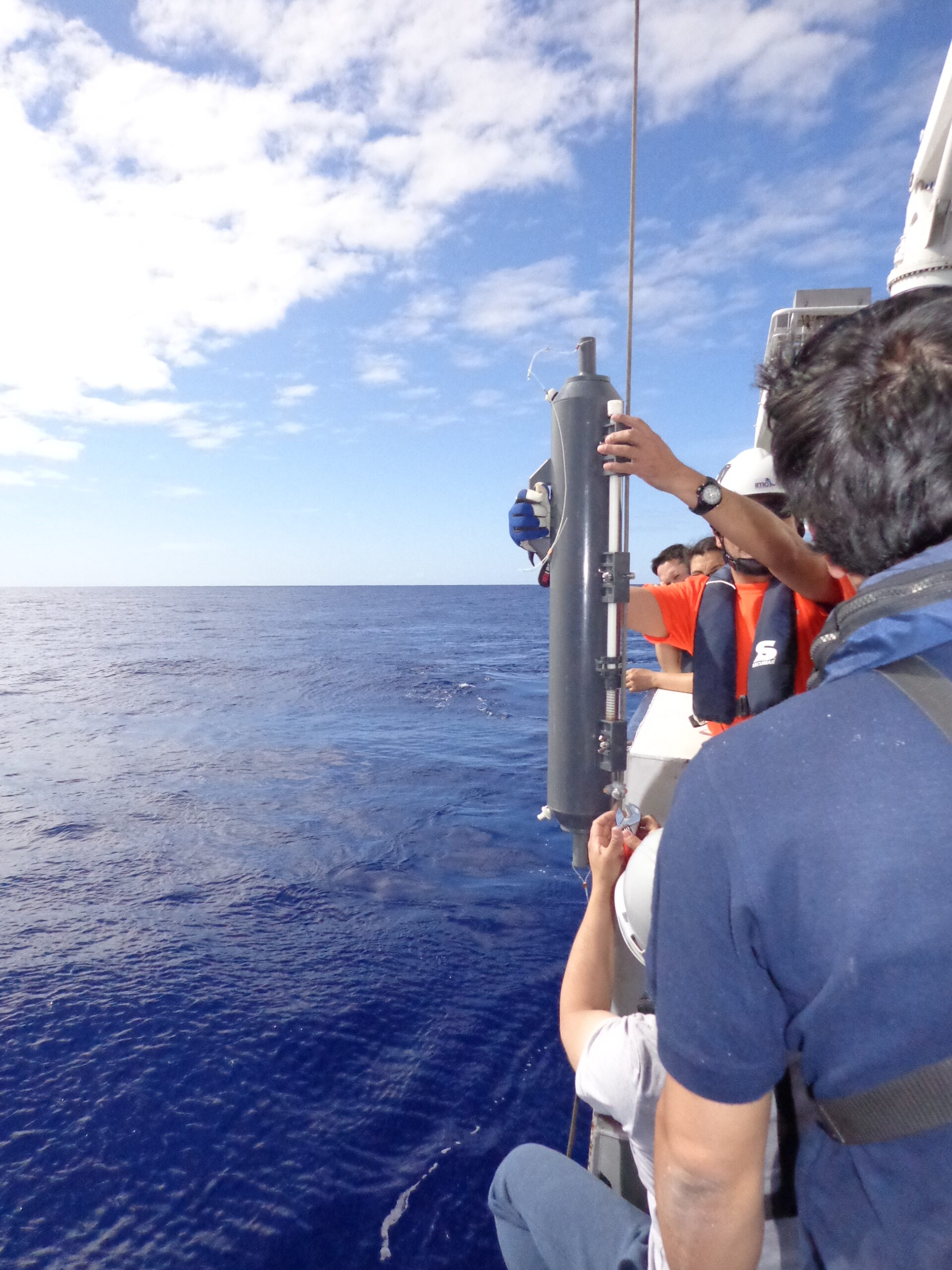
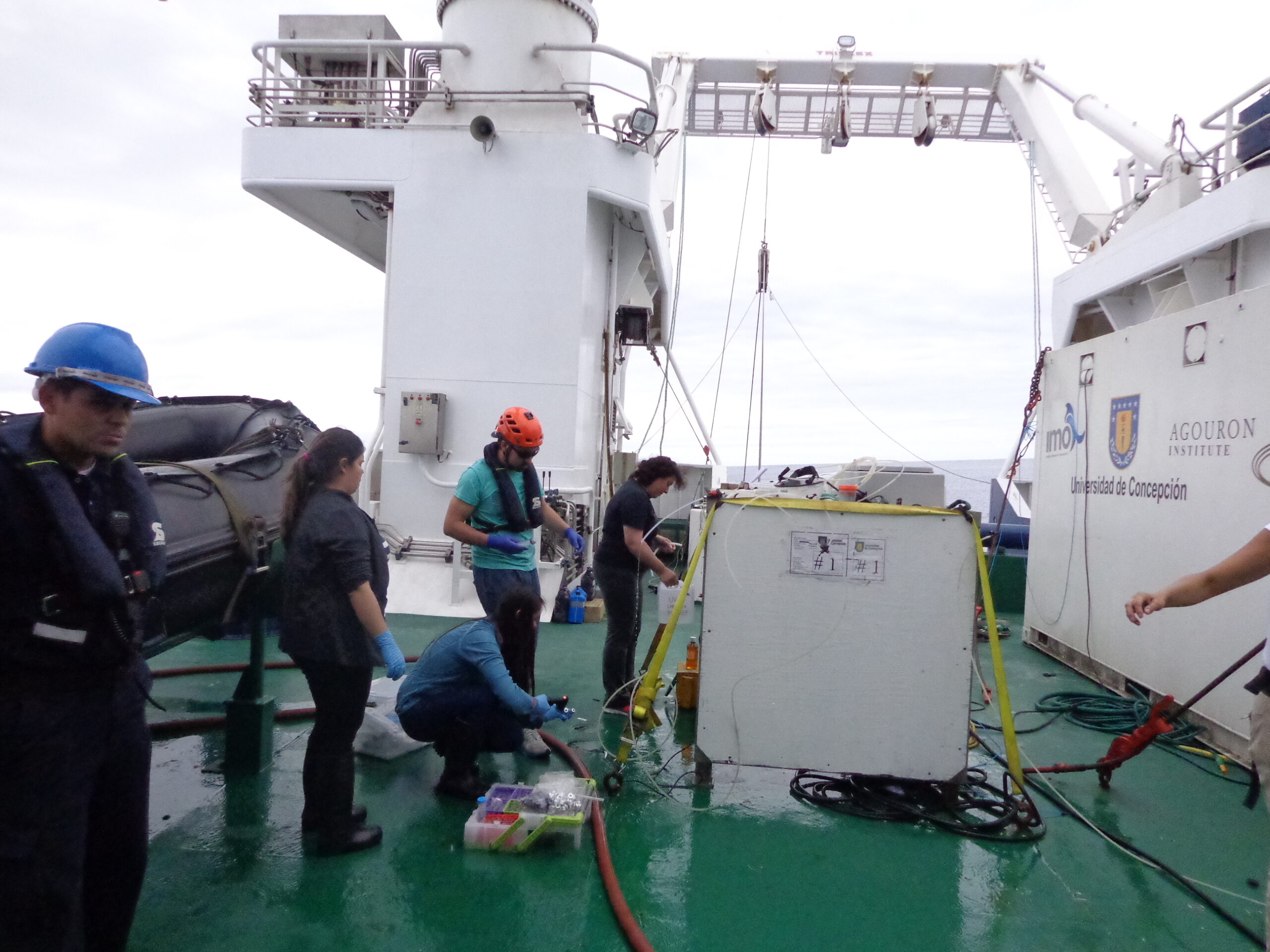
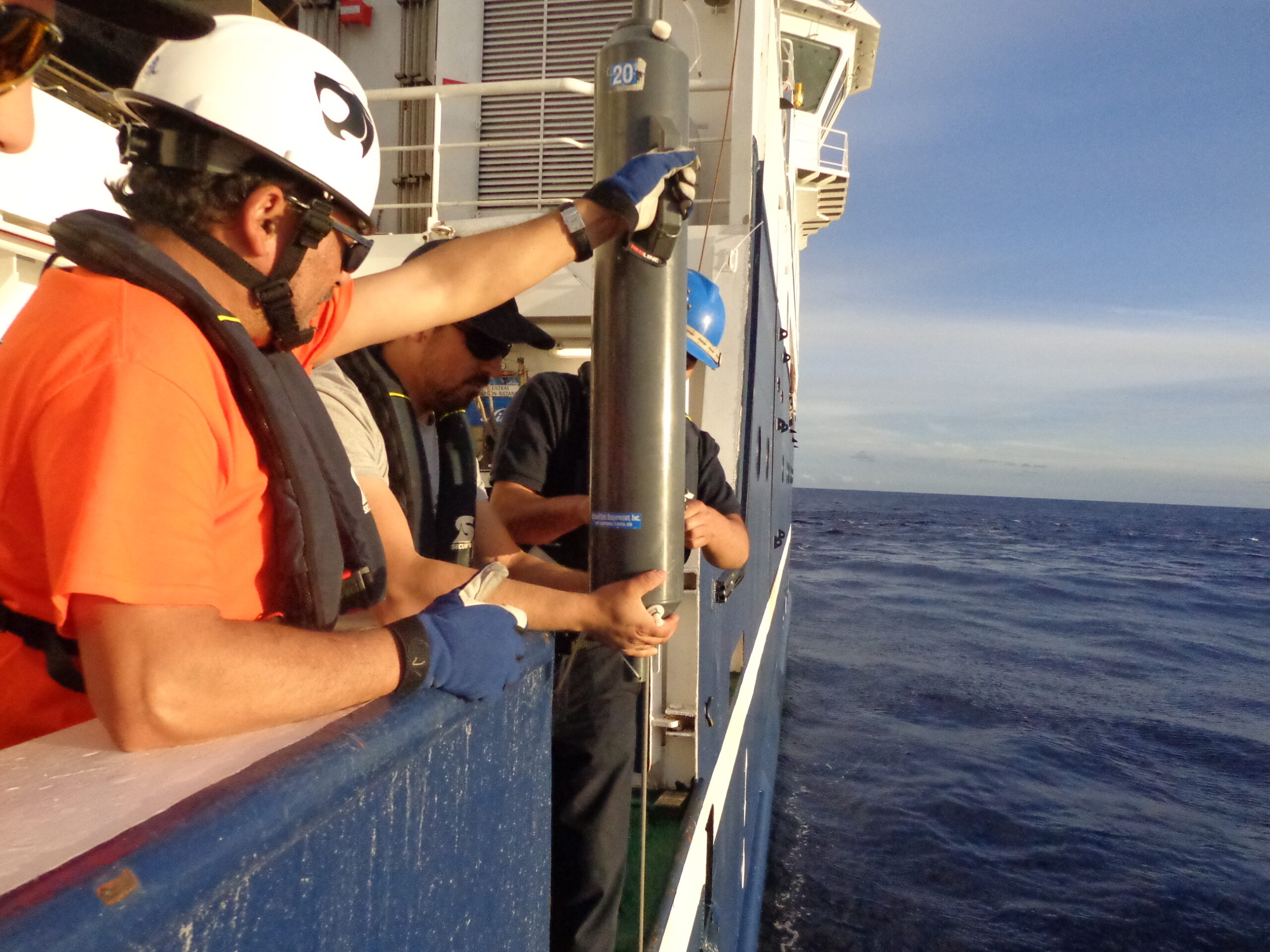
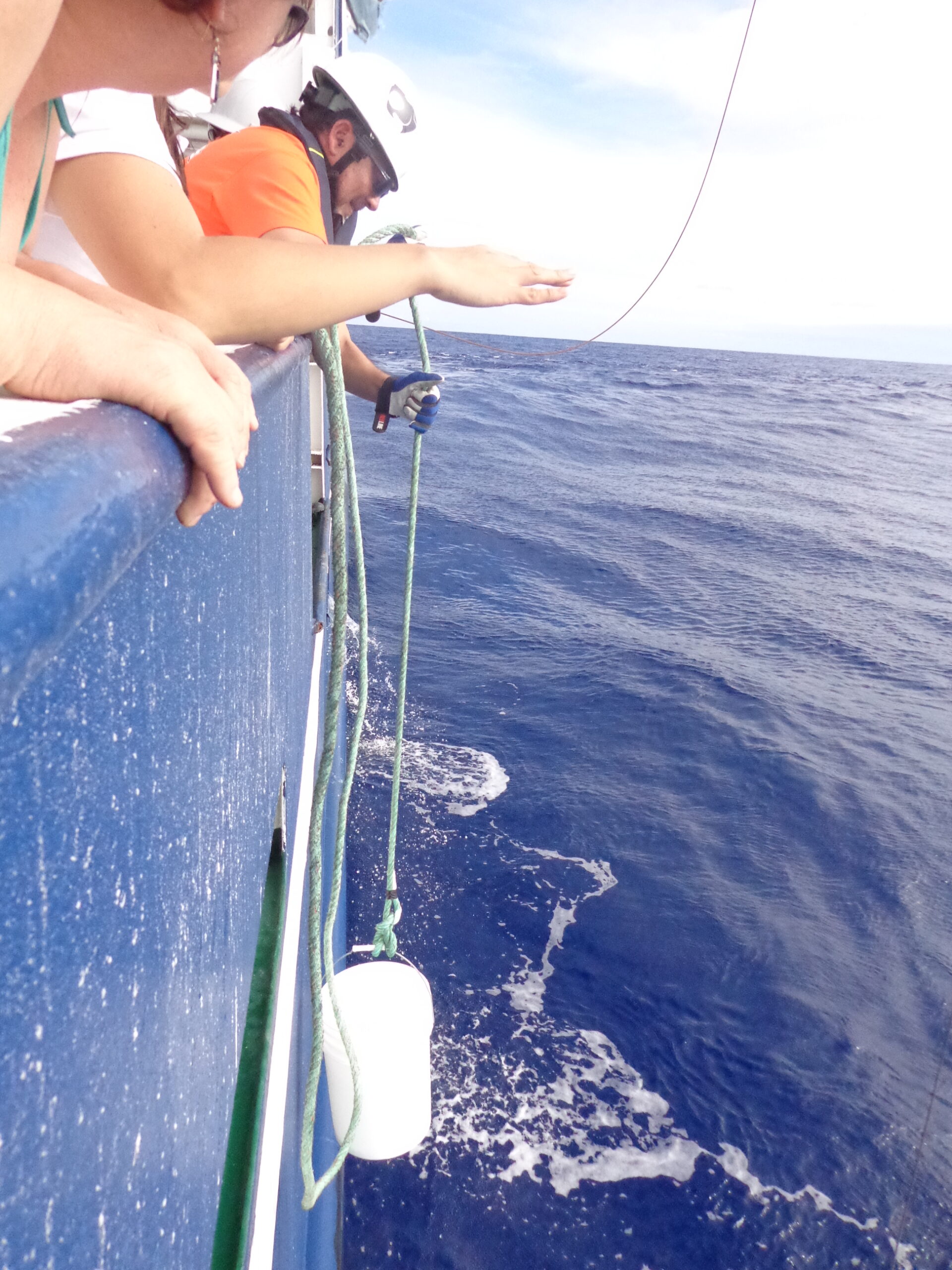
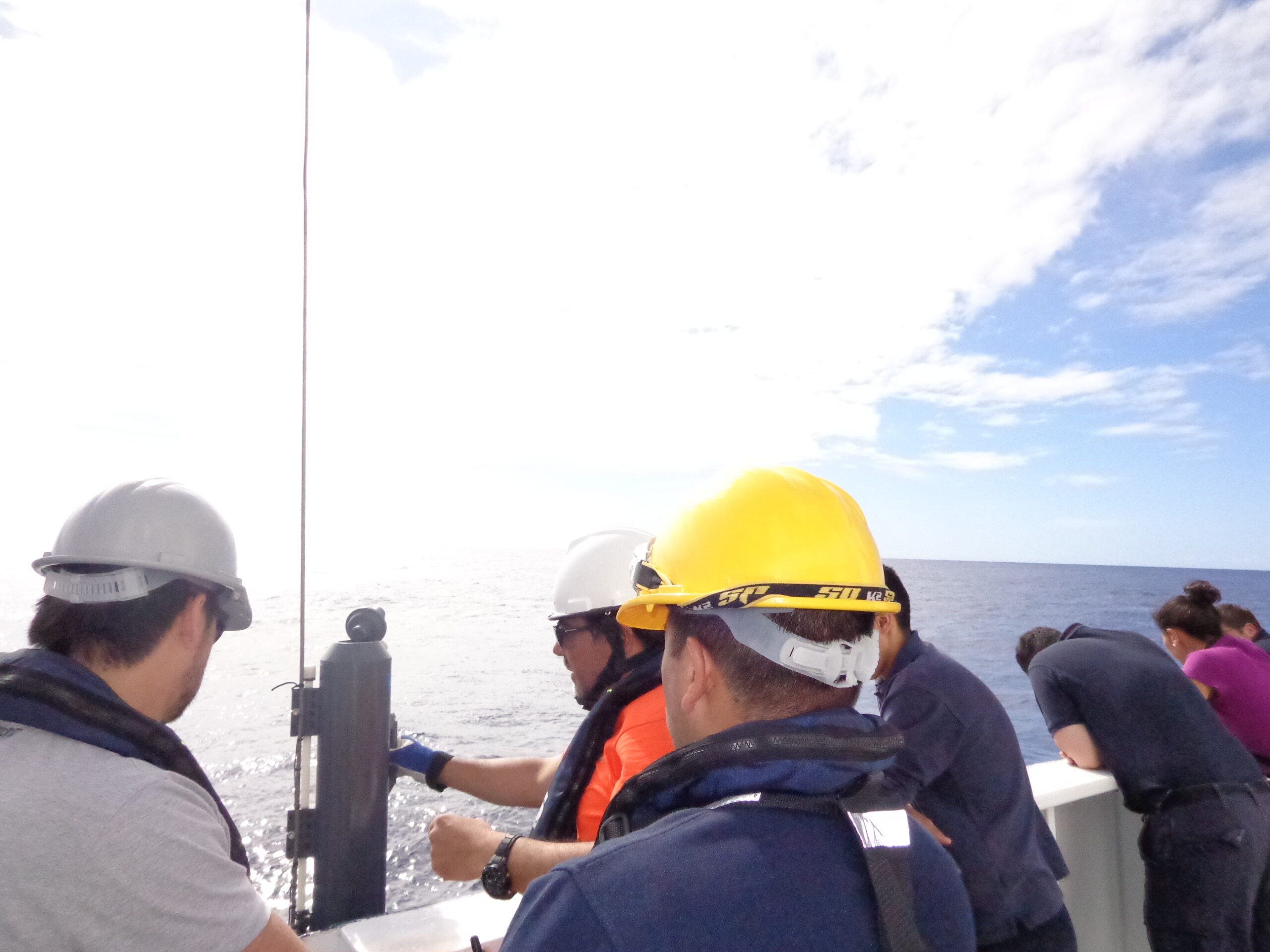
The Millennium Institute of Oceanography (IMO) actively participated in the expedition through three research projects. One of the team's primary objectives was to investigate the diversity, distribution, dynamics, and biogeochemical role of zooplankton communities inhabiting the waters between the Chilean continental margin and the oceanic islands. Stratified zooplankton sampling was conducted using Multinet and Tucker net systems to depths of approximately 1,000 meters, yielding unprecedented information on zooplankton community composition, size structure, and the carbon and nitrogen isotopic composition of organisms in this region of the Pacific Ocean.
The expedition represented one of IMO's first participations in Chile's national CIMAR program, strengthening the country's oceanographic research efforts in remote oceanic regions and contributing to a better understanding of southeastern Pacific ecosystems.
Scientific Objectives
- Characterize the physical, chemical, and biological oceanographic conditions of the southeastern Pacific between Caldera, Rapa Nui (Easter Island), and the Salas y Gómez Islands.
- Assess marine biodiversity and its relationship with the environmental conditions of the study area.
- Identify and understand the physical and biogeochemical processes regulating oceanic ecosystems surrounding Chile's oceanic islands.
- Investigate the diversity, distribution, dynamics, and biogeochemical role of zooplankton communities in the southeastern Pacific.
Onboard Technology
- AGS-61 Cabo de Hornos oceanographic research vessel.
- CTD-Rosette system for hydrographic profiling and seawater sampling.
- Multinet system for stratified zooplankton sampling.
- Tucker nets for zooplankton sampling to depths of approximately 1,000 m.
- IMO mobile laboratory for onboard sample processing.
- Pumping Profiling System (PPS) with deck-mounted electrical power supply.
- GPS navigation system integrated with scientific instrumentation.
- Acoustic Doppler Current Profiler (ADCP) for current measurements.
- Multibeam echosounder for bathymetric mapping.
- Deep-sea oceanographic cable for CTD and rosette deployment.
Participating Institutions
- National Oceanographic Committee (CONA)
- Hydrographic and Oceanographic Service of the Navy (SHOA)
- Chilean Navy.
- Millennium Institute of Oceanography (IMO)
- University of Concepción