IDOOS
Integrated Deep Ocean Observation System
IDOOS
(Integrated Deep Ocean Observation System)
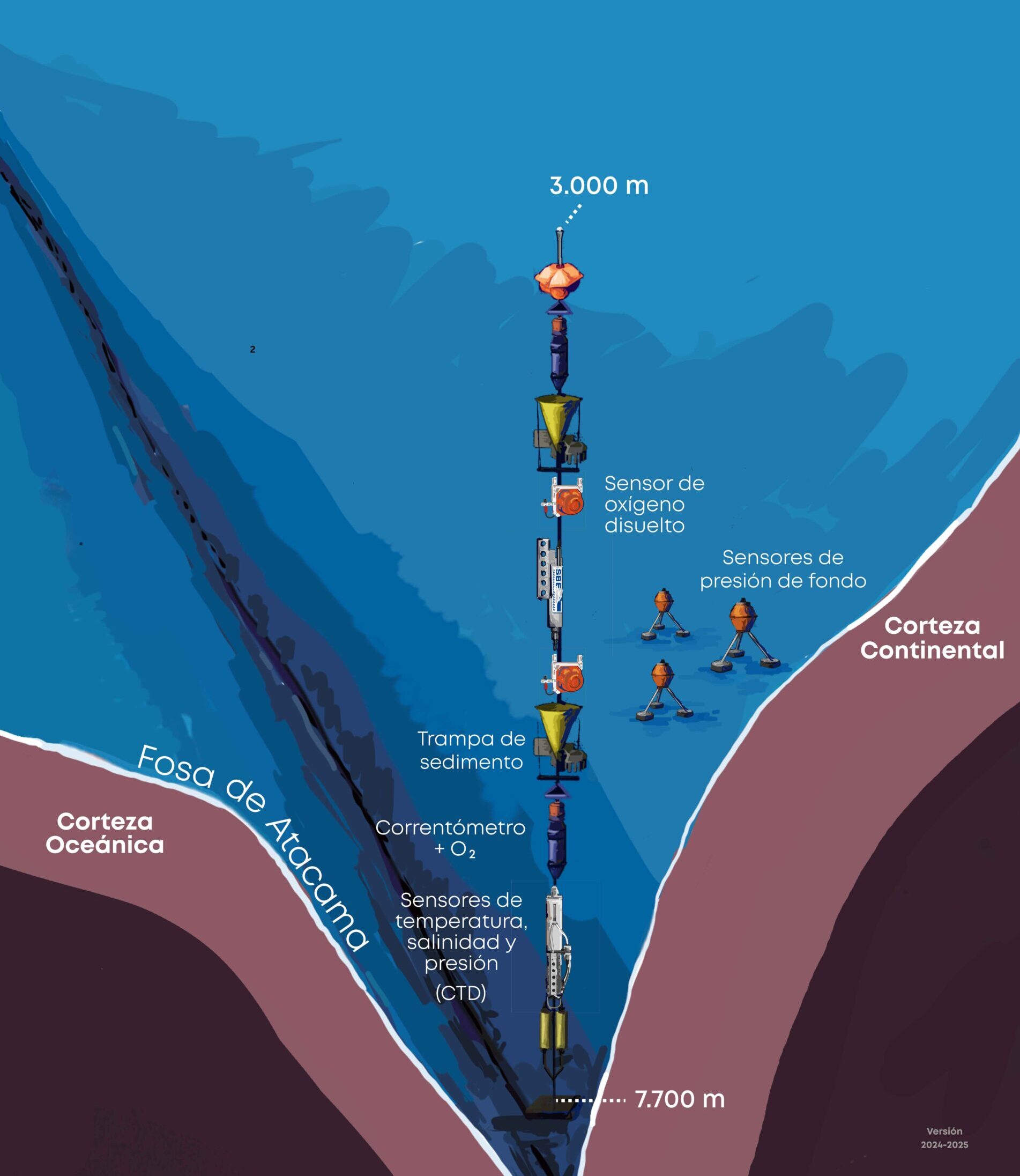
IDOOS is the first observational platform designed to provide an integrated view of the physical, biogeochemical, and geophysical processes occurring in the deep and hadal ocean along the Chilean margin, with a particular focus on the Atacama Trench.
What does it observe?
The system is equipped with instruments and sensors that continuously monitor key variables to better understand deep-ocean dynamics, including:
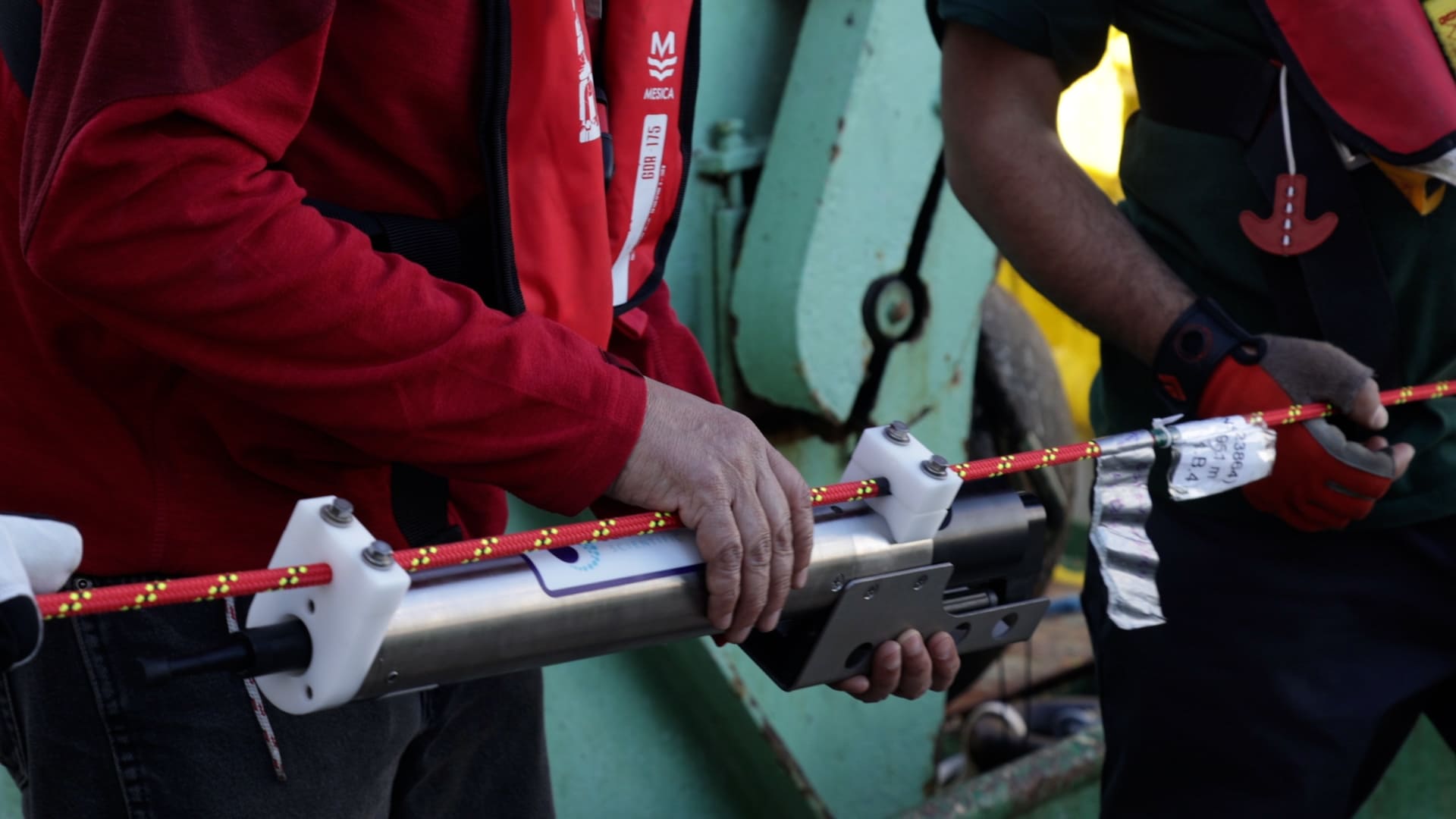
- Deep and hadal ocean currents.
- Temperature, salinity, and pressure (CTD).
- Dissolved oxygen (O₂).
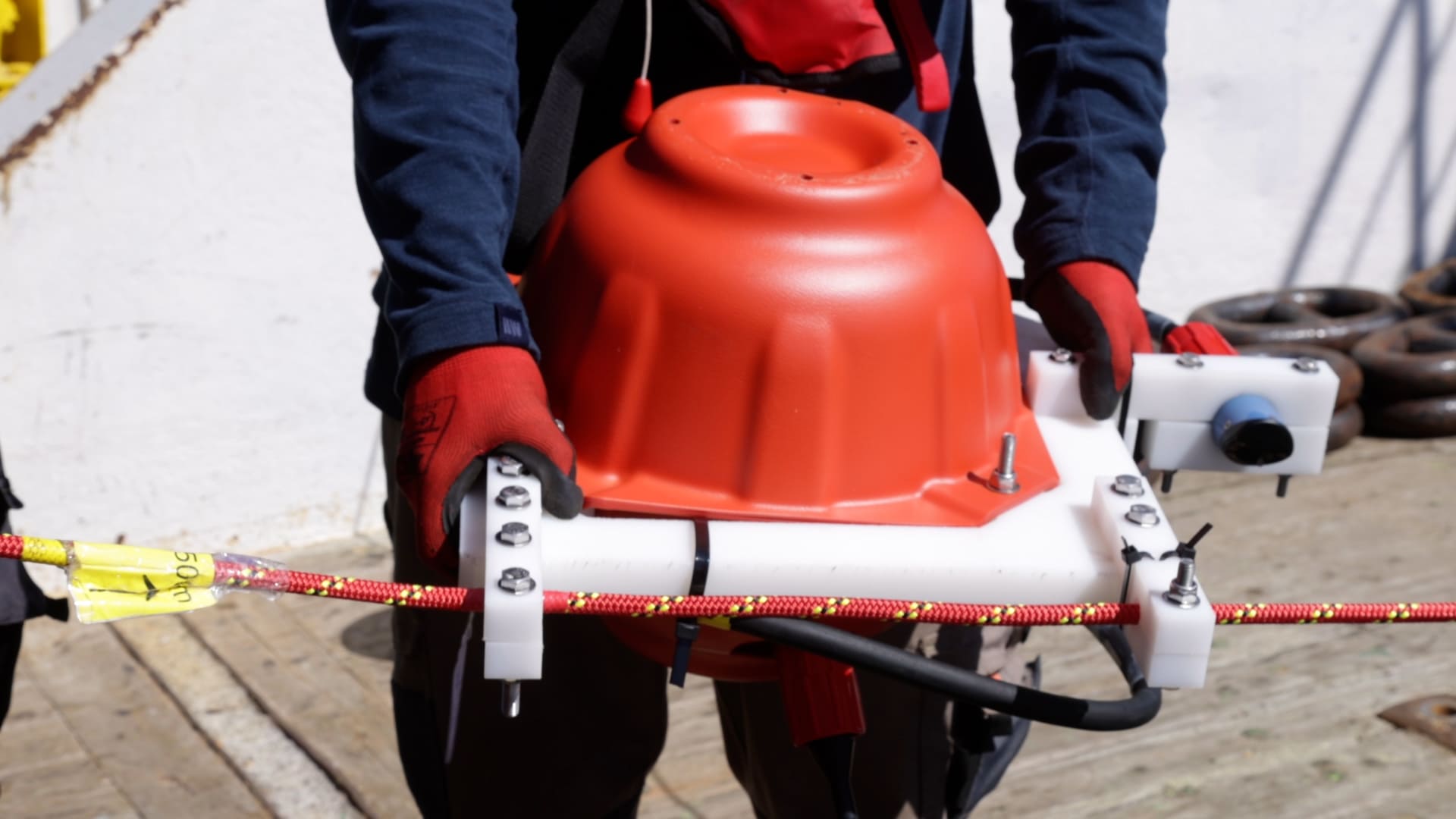
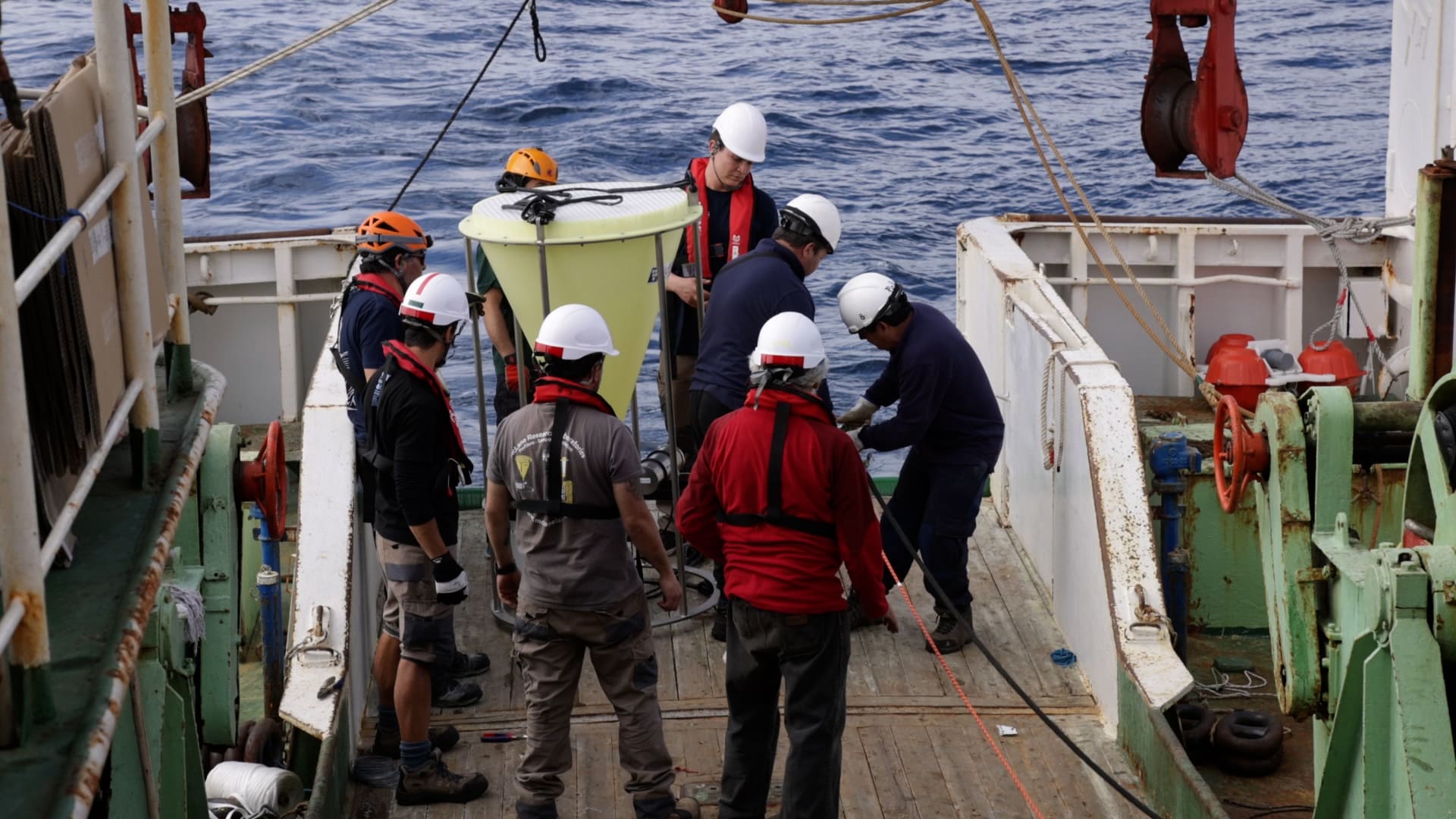
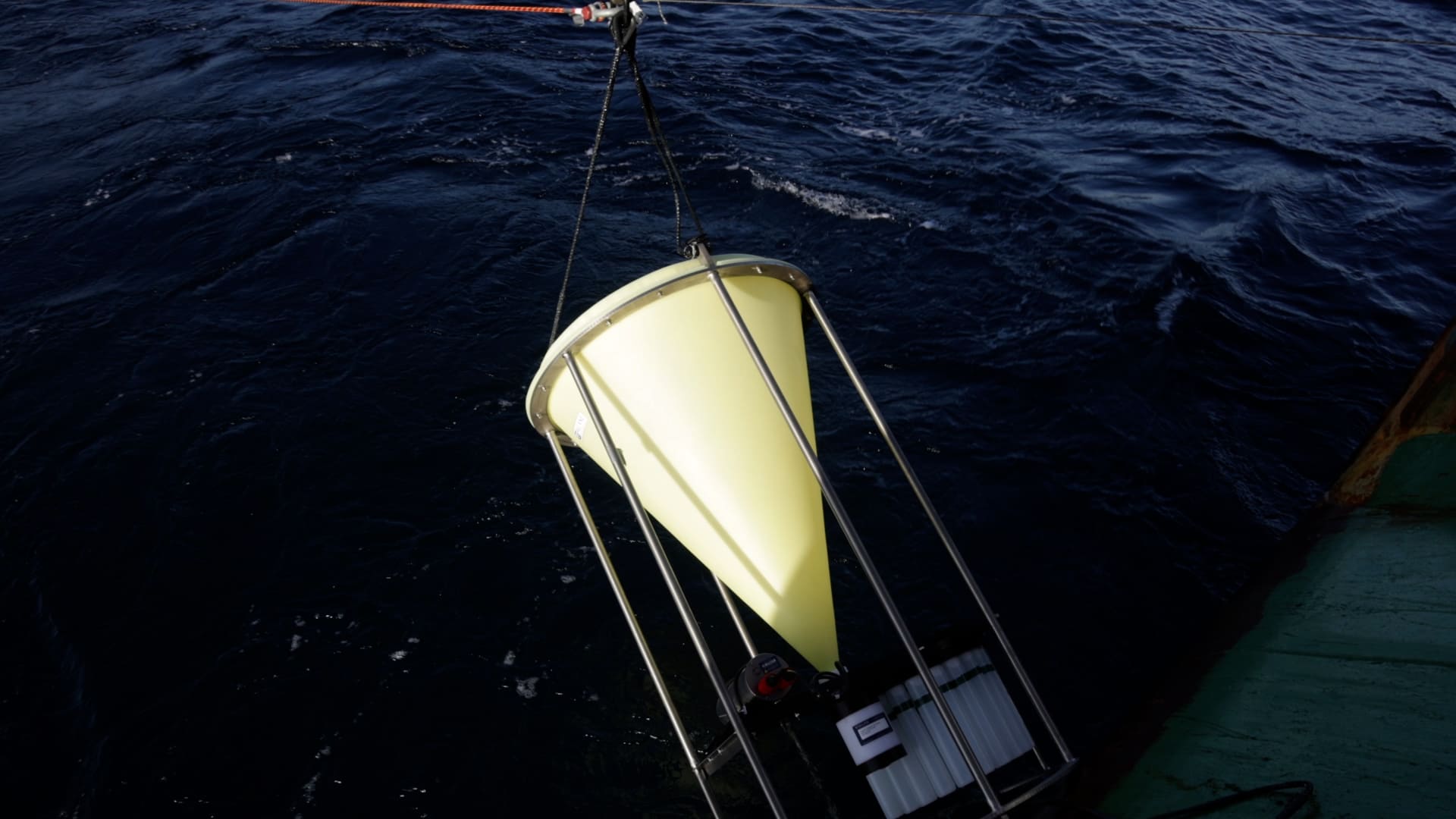
- Particle and sediment flux.
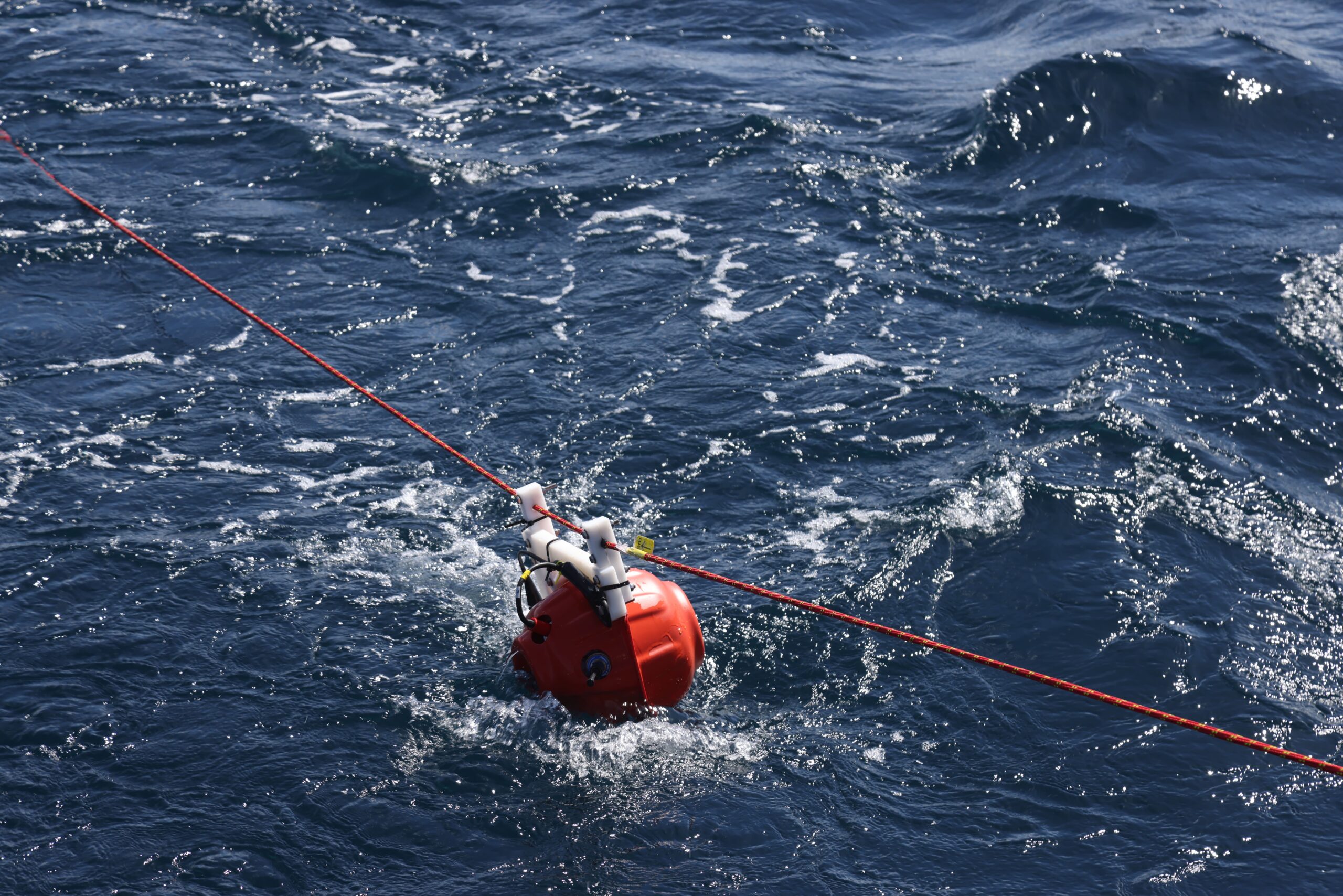
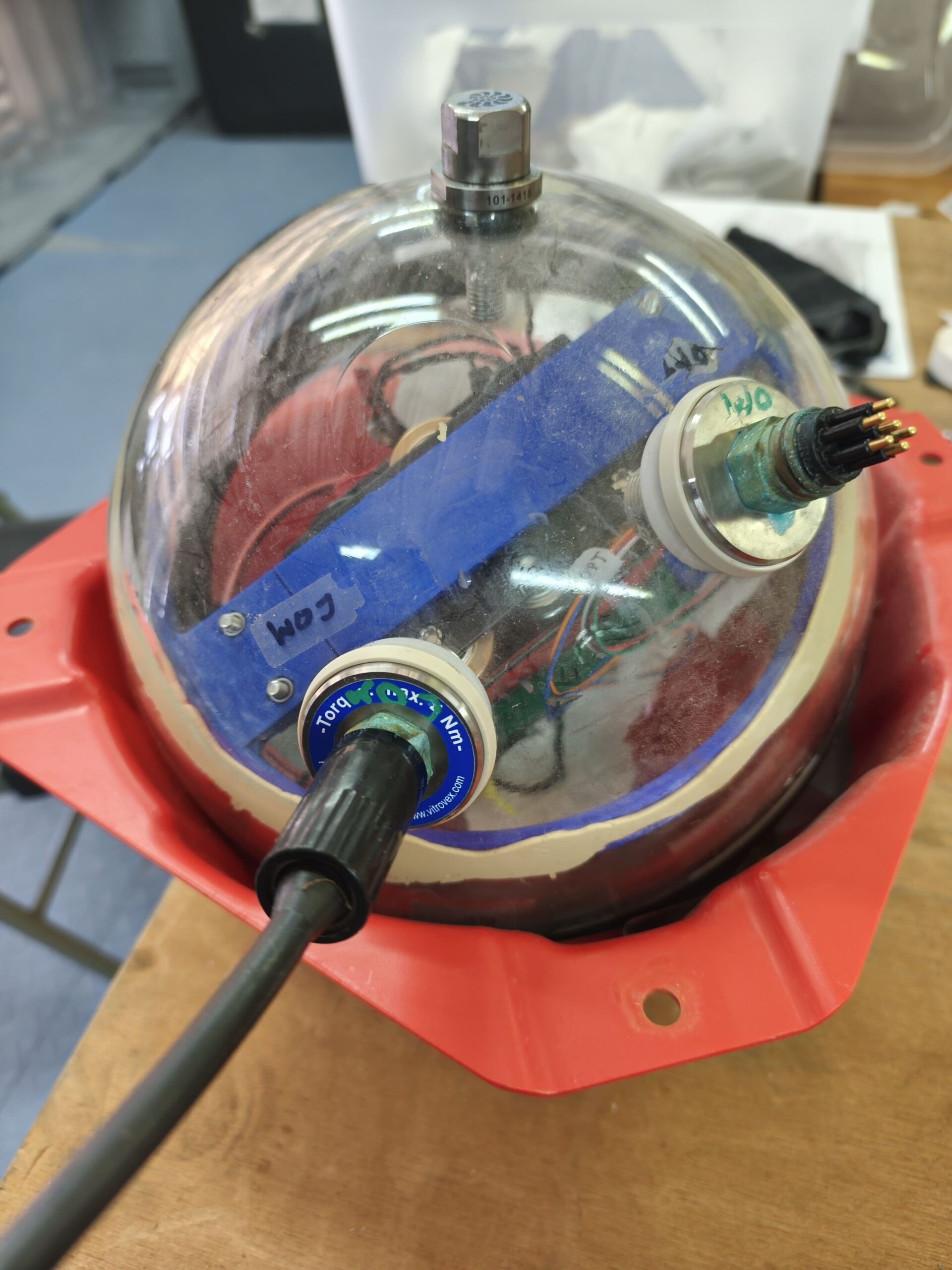
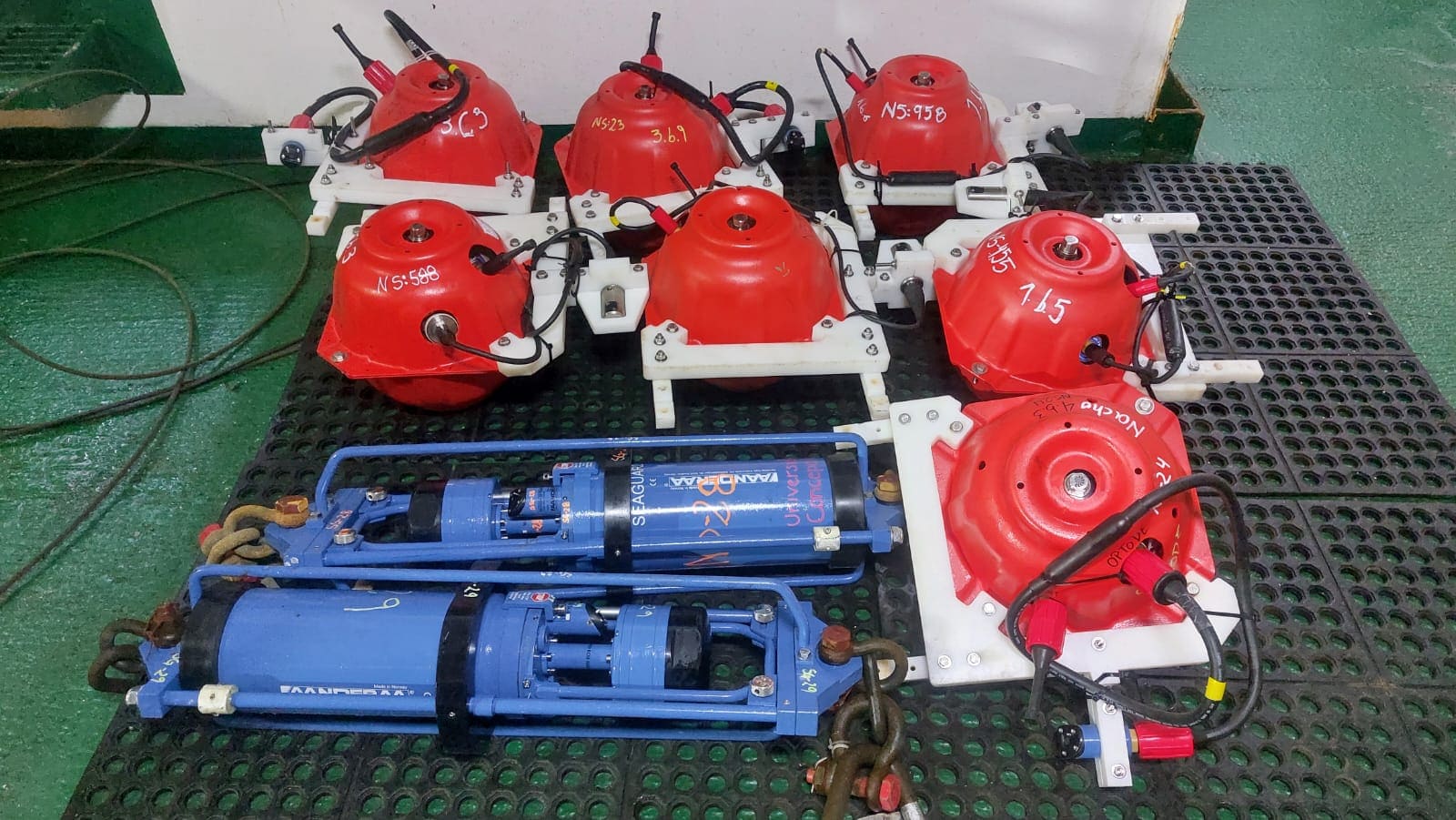
- Seafloor pressure associated with tectonic deformation.
Scientific significance
IDOOS enables sustained observations of one of the world's most extreme and tectonically active marine environments, providing unprecedented data on deep circulation, renewal of water masses within the trench, particle transport, and seafloor deformation along the Chilean margin.
Milestones
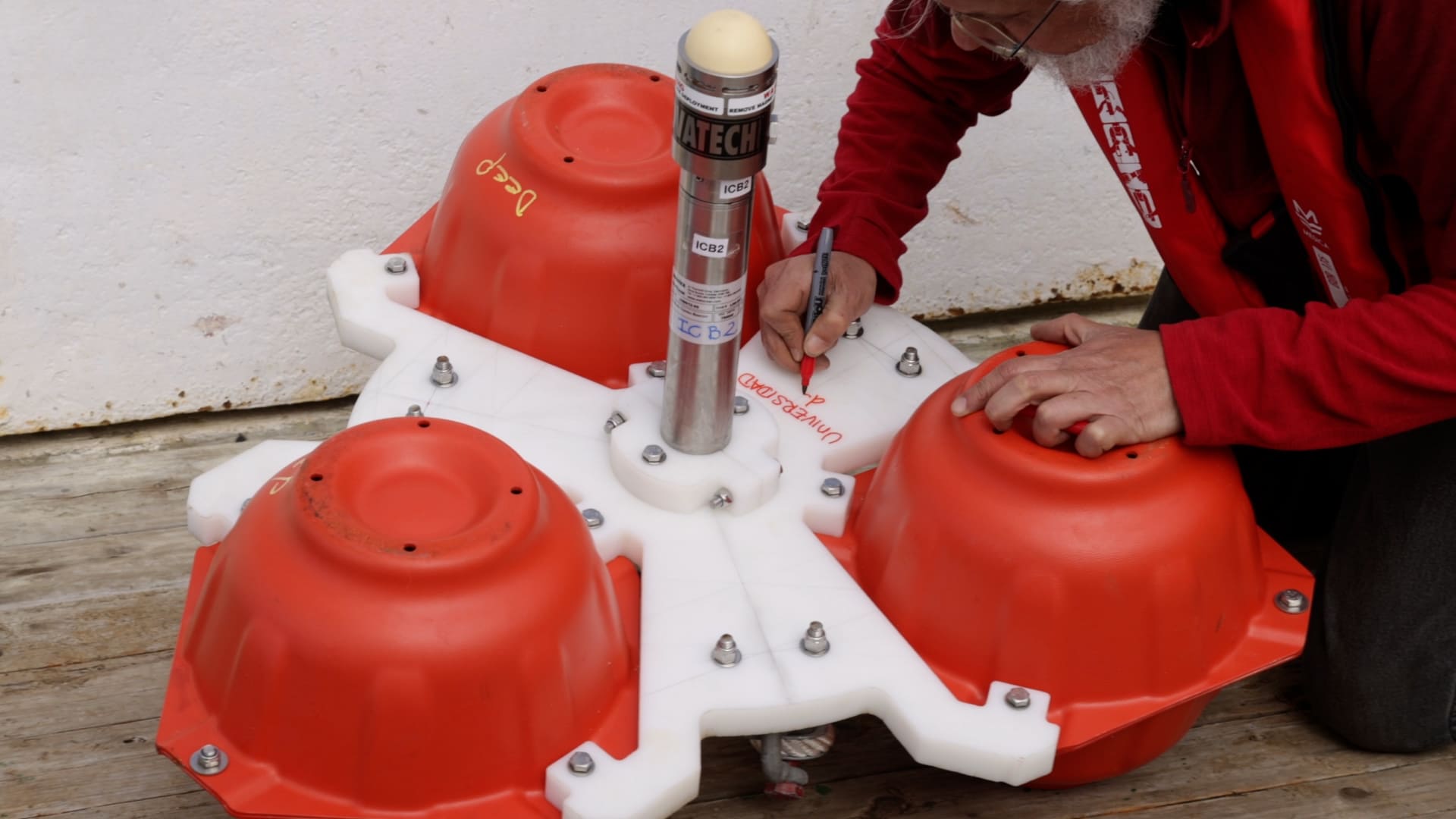
- 2023 – SONNE International Expedition: Deployment of the first seafloor pressure sensors (FETCH AZA).
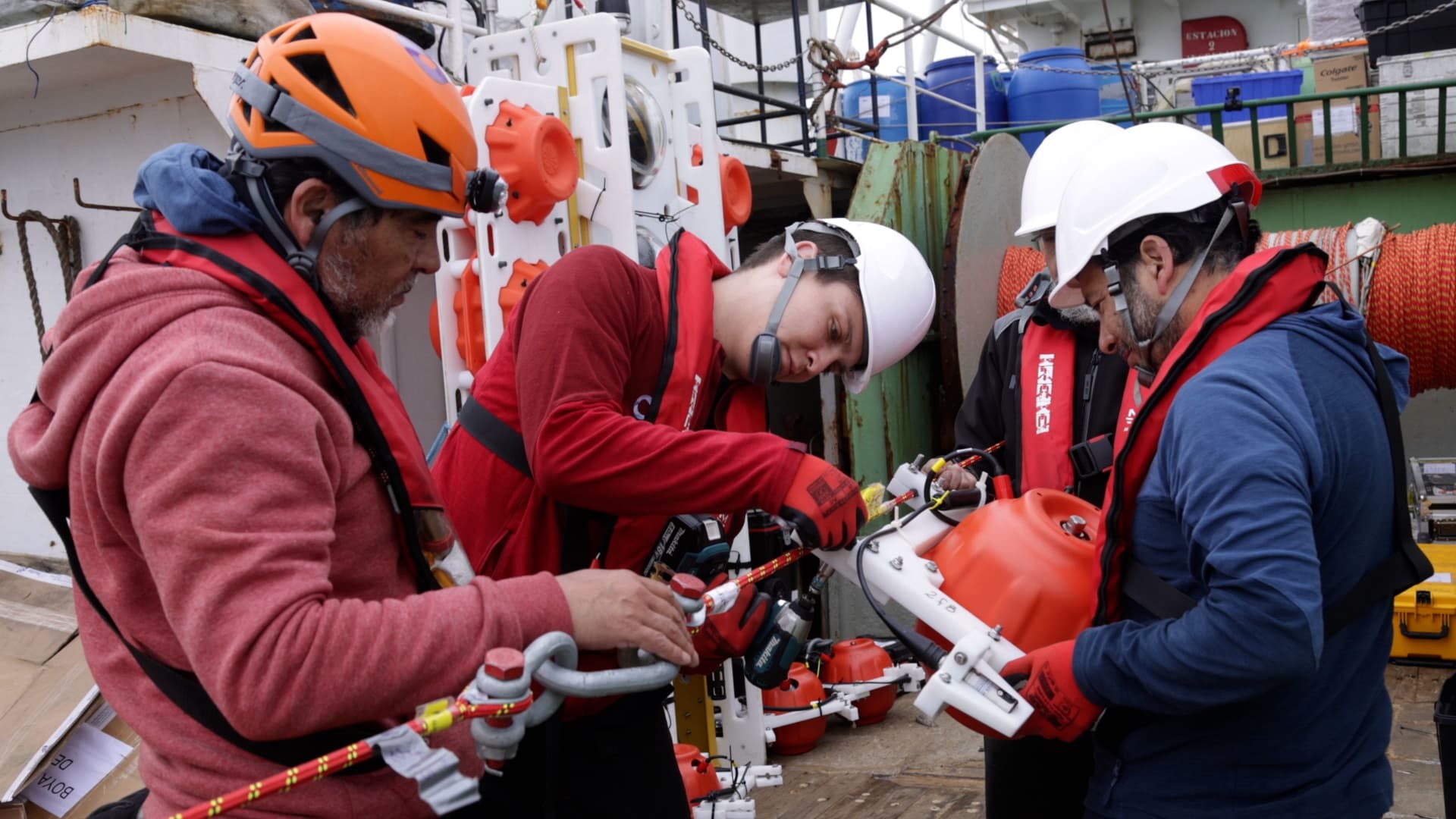
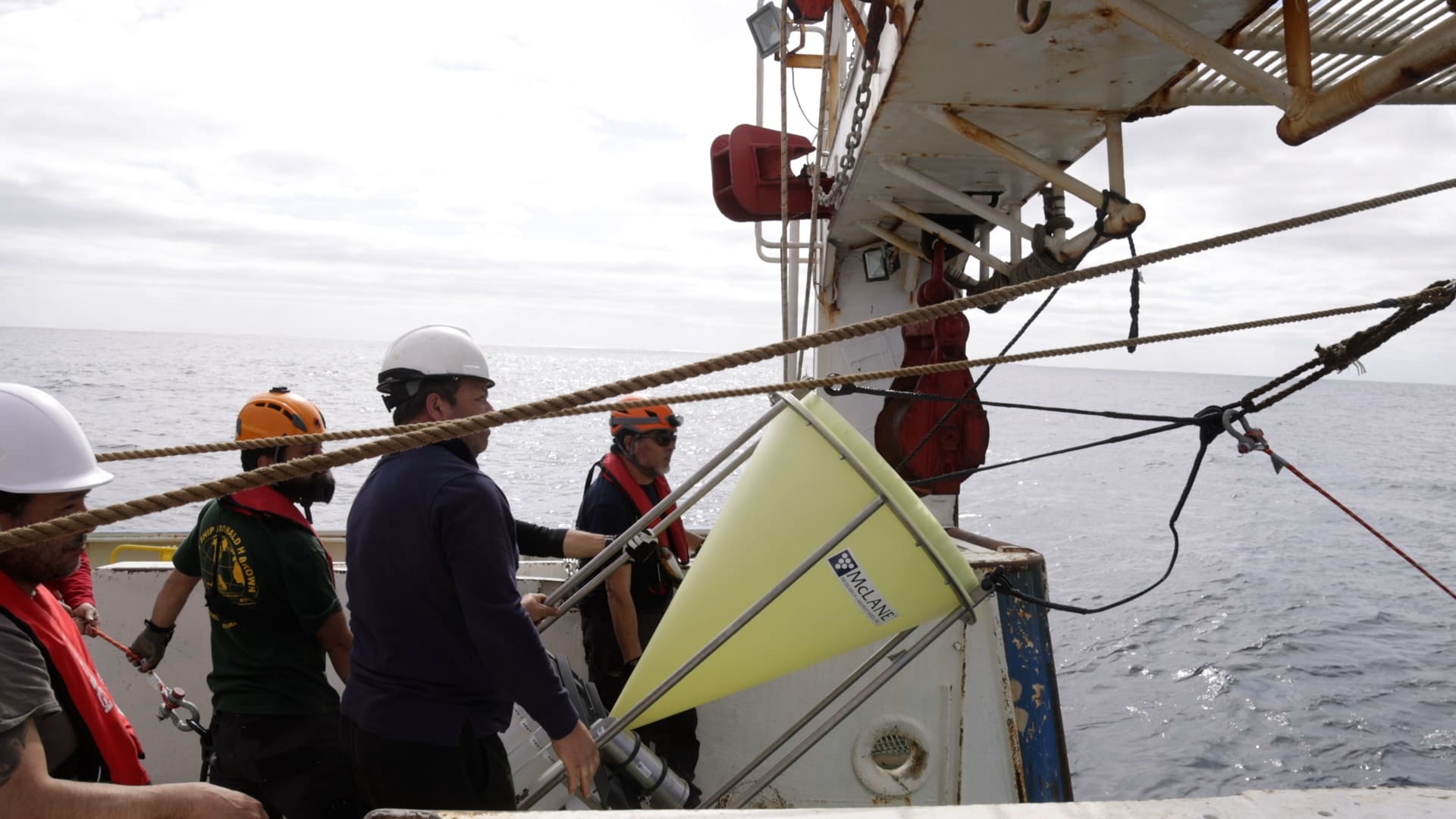
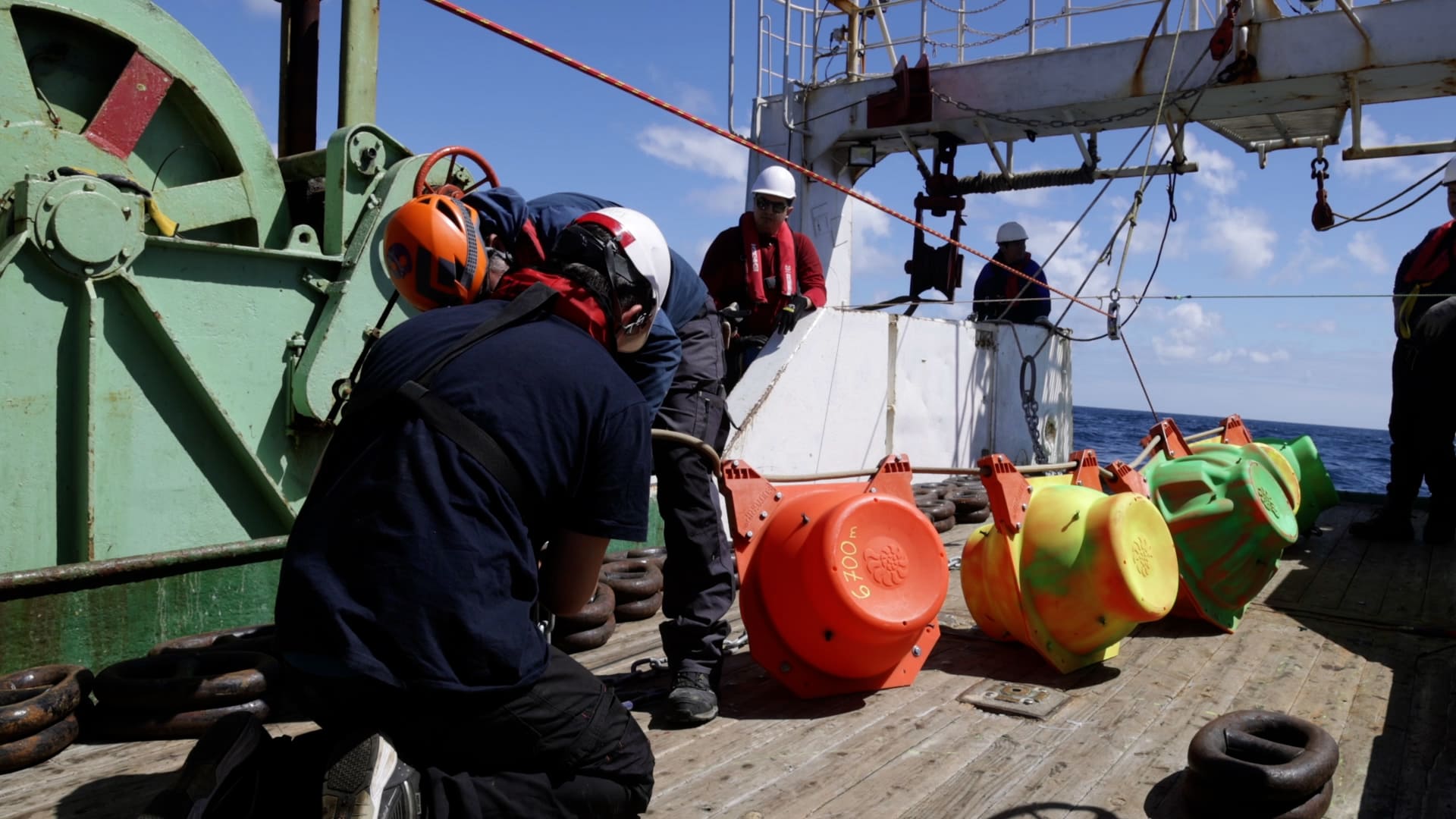
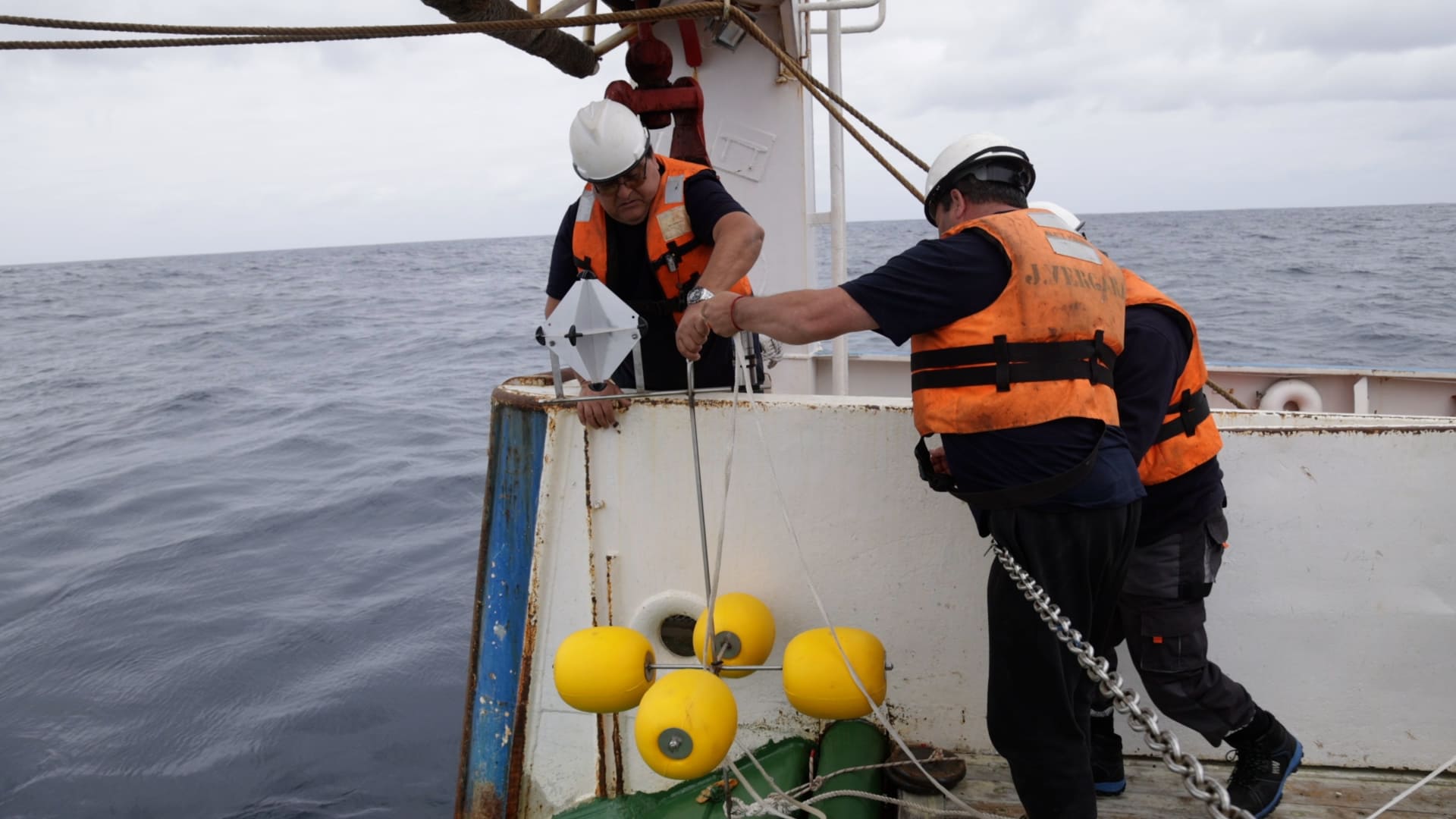
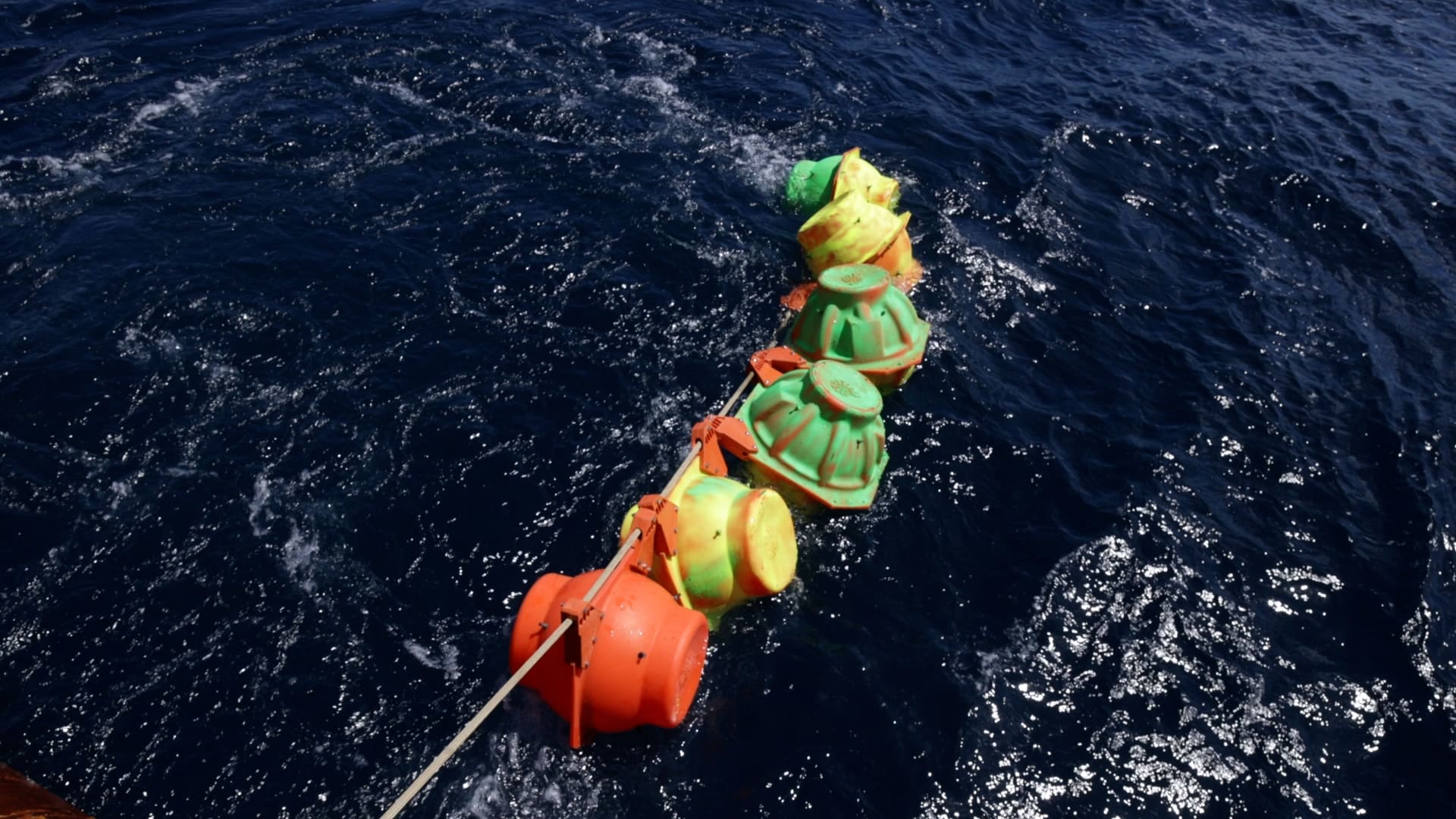
- 2023 – Expedición IDOOS I: despliegue de anclajes oceanográficos a bordo del B/O Abate Molina.
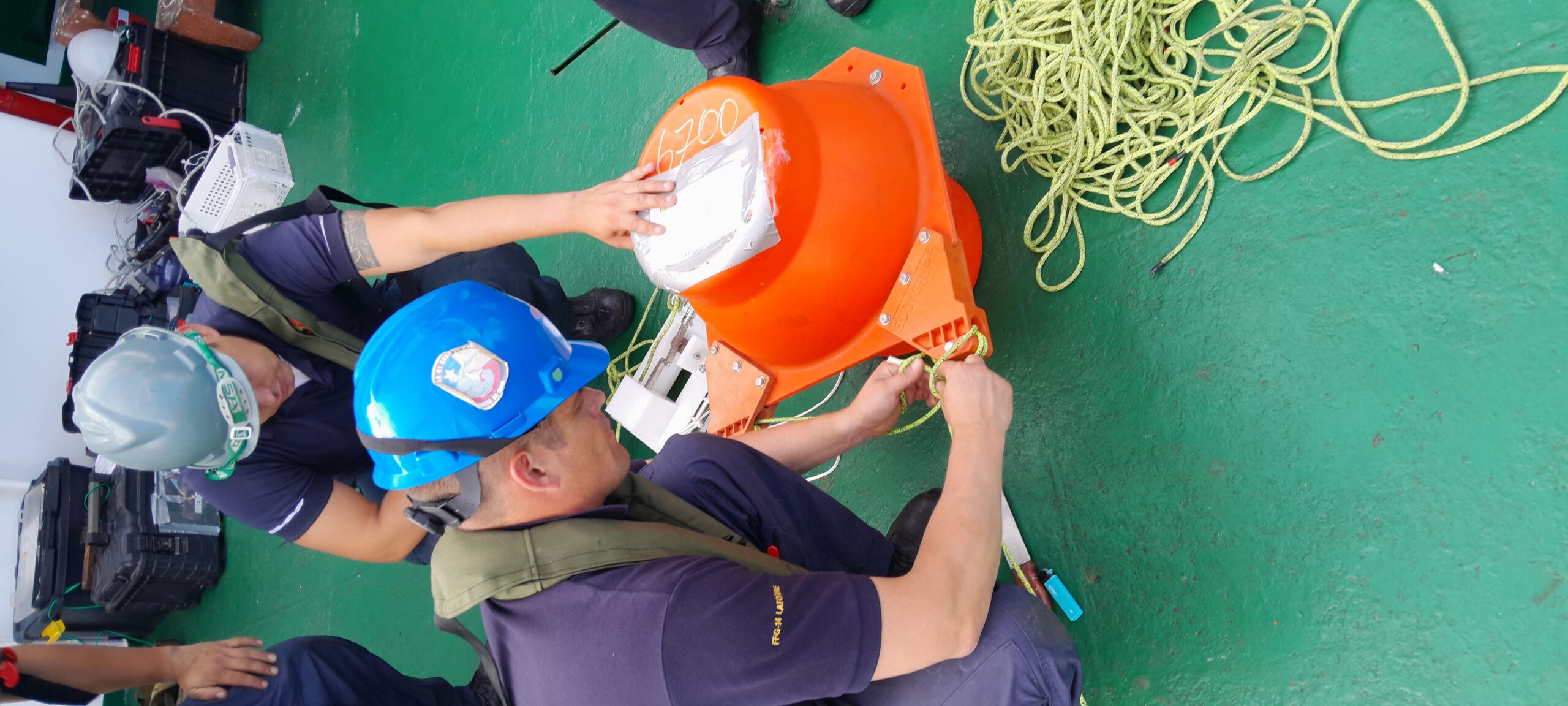
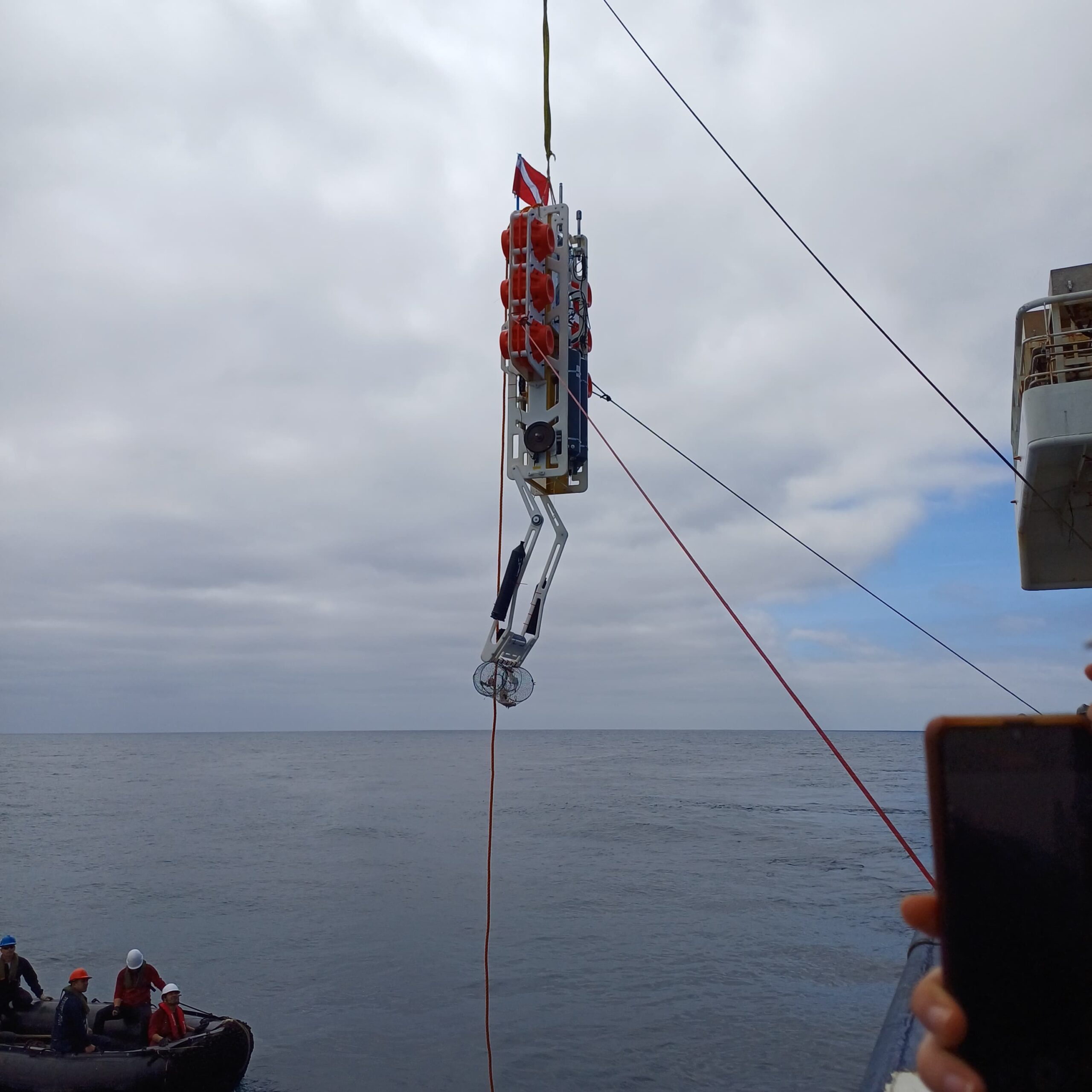
- 2024 – Expedición IDOOS II: recuperación, mantenimiento y reinstalación de los anclajes oceanográficos, además del despliegue de un lander, a bordo del AGS Cabo de Hornos.
- 2025 – Expedición IDOOS III: descarga acústica de datos (FETCH AZA), recuperación de dos sensores de presión de fondo y despliegue de un lander, a bordo del AGS Cabo de Hornos.
- 2025 – Expedición DIZMO: recuperación del anclaje de la Fosa de Atacama y descarga acústica de datos (FETCH AZA), a bordo del AGS Cabo de Hornos, en colaboración con el Núcleo Milenio para el Estudio de la Desoxigenación en el Océano Pacífico Sur Oriental DEOXS y la Armada de Chile.
Current status
The oceanographic moorings have now been recovered, and the instruments are currently undergoing maintenance, inspection, and calibration in preparation for future redeployment. Meanwhile, part of the geophysical network of pressure sensors remains operational on the seafloor, maintaining an active observational component of the IDOOS system.