Red Tide
General Description and Scientific Significance
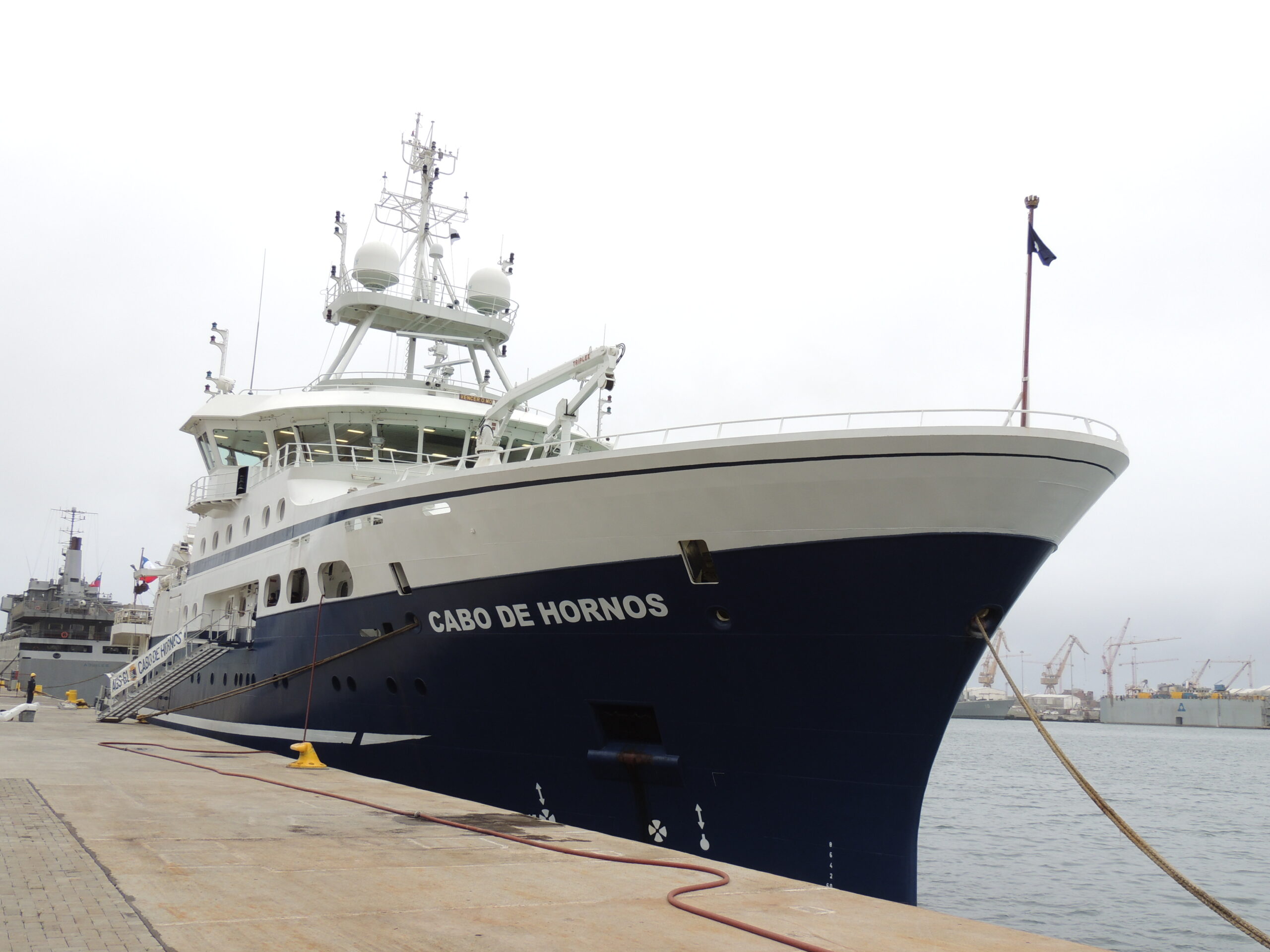
The Red Tide Expedition was conducted between 25 and 31 May 2016 aboard the oceanographic research vessel AGS-61 Cabo de Hornos, as part of the scientific response coordinated by the Government of Chile to investigate the exceptional Harmful Algal Bloom (HAB) event that affected the Los Lagos and Los Ríos regions during 2016. The campaign brought together a multidisciplinary team of 14 scientists, along with representatives of artisanal fishing communities who participated as observers during the sampling process.
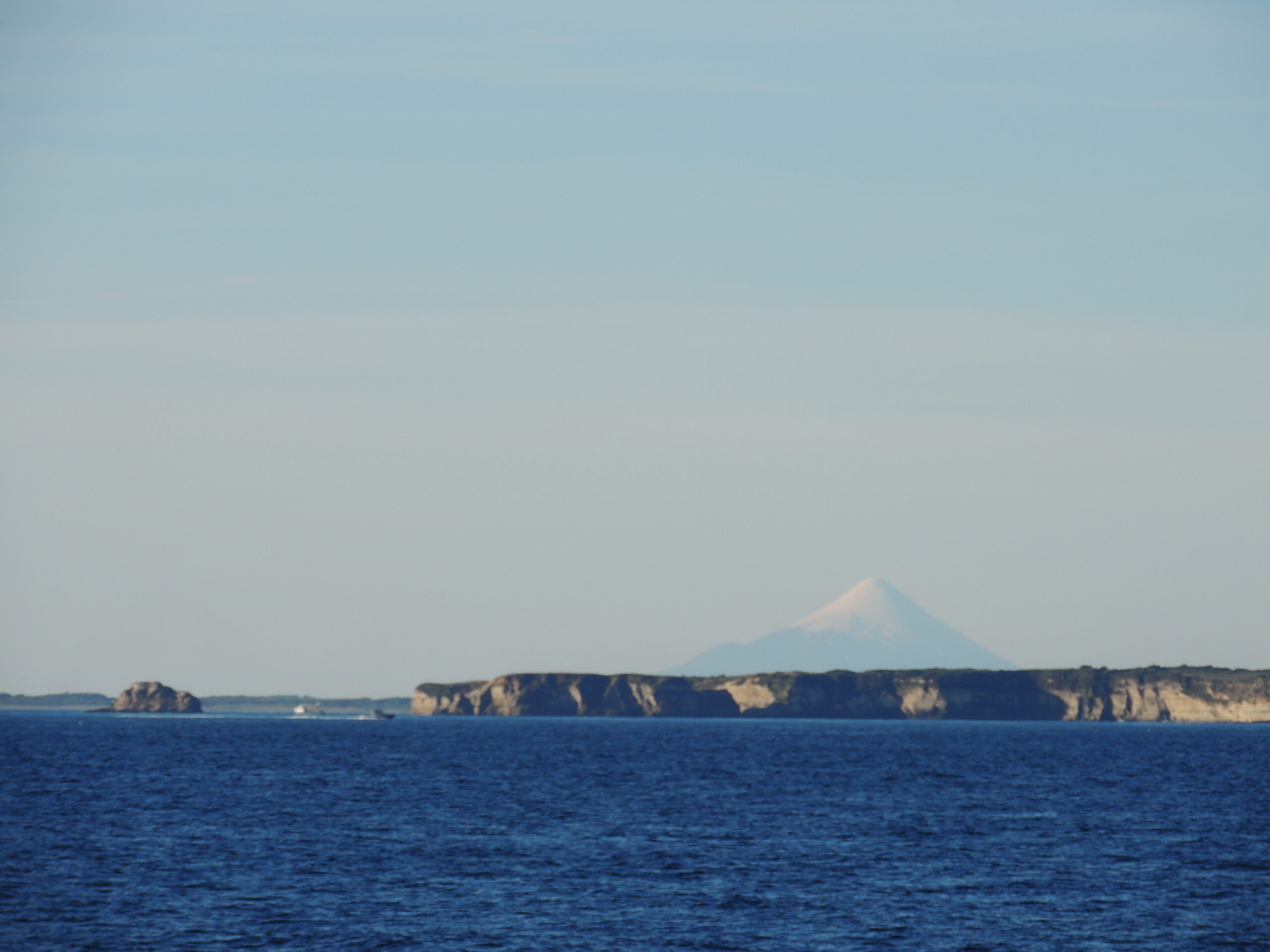
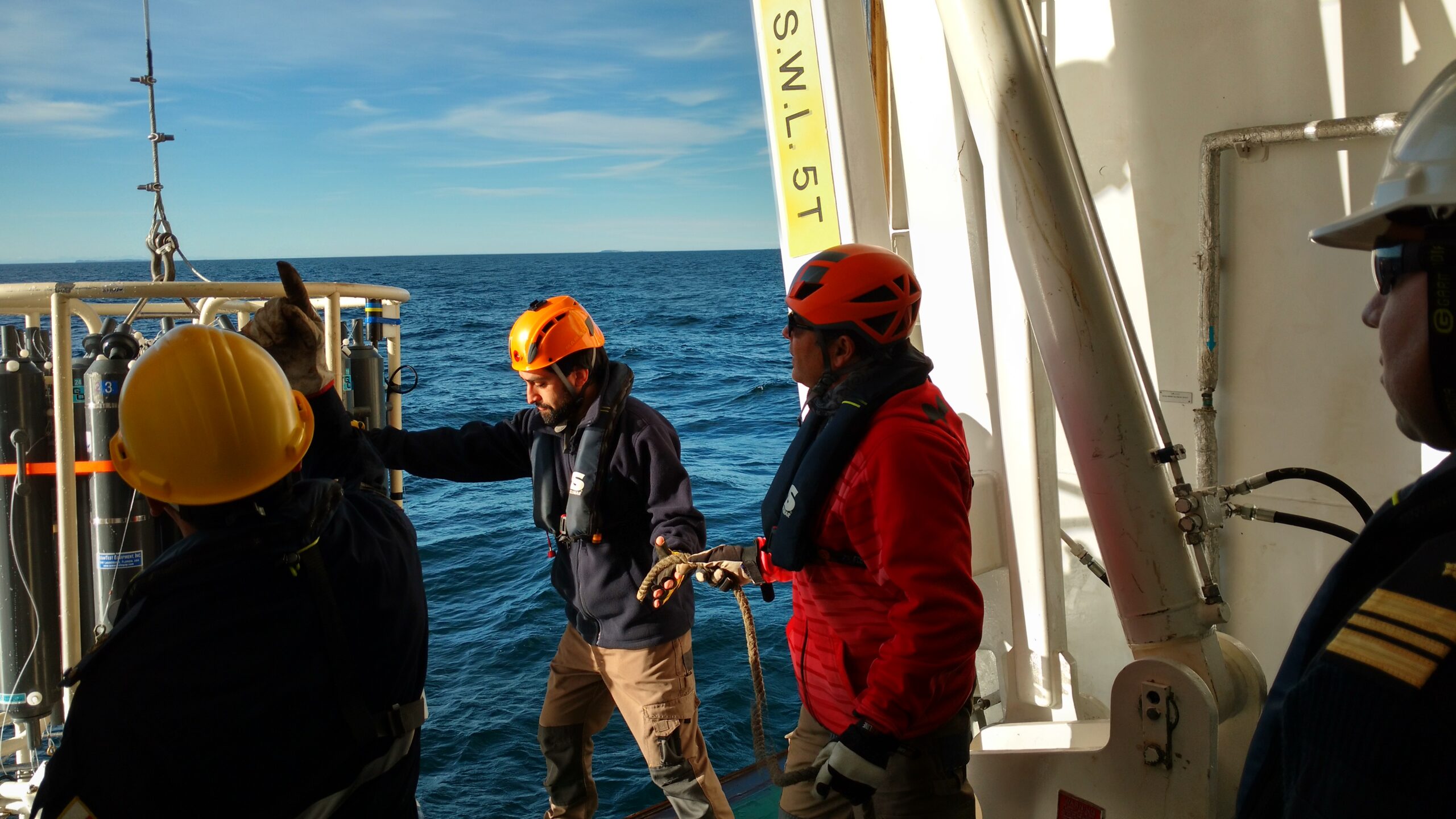
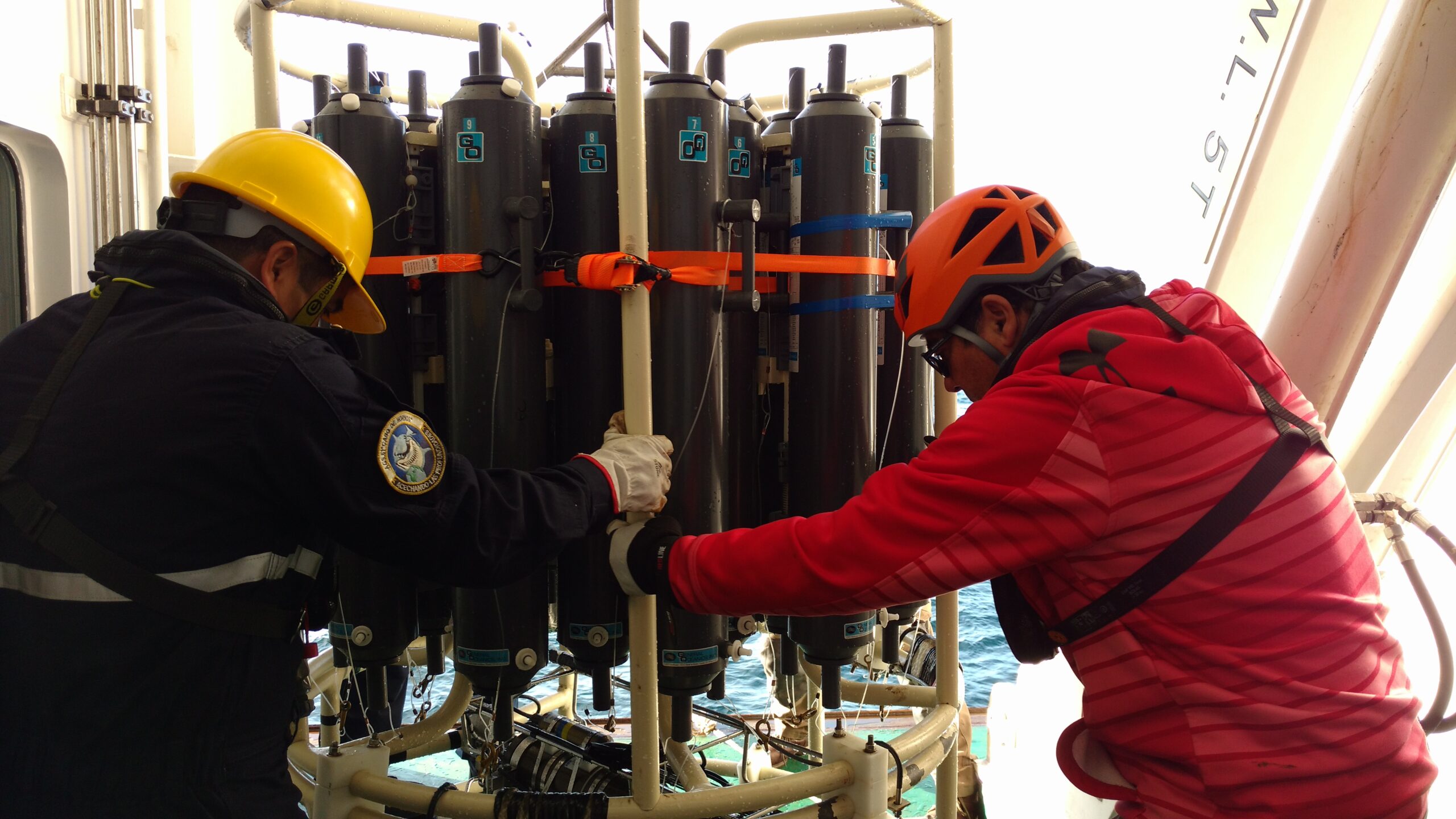
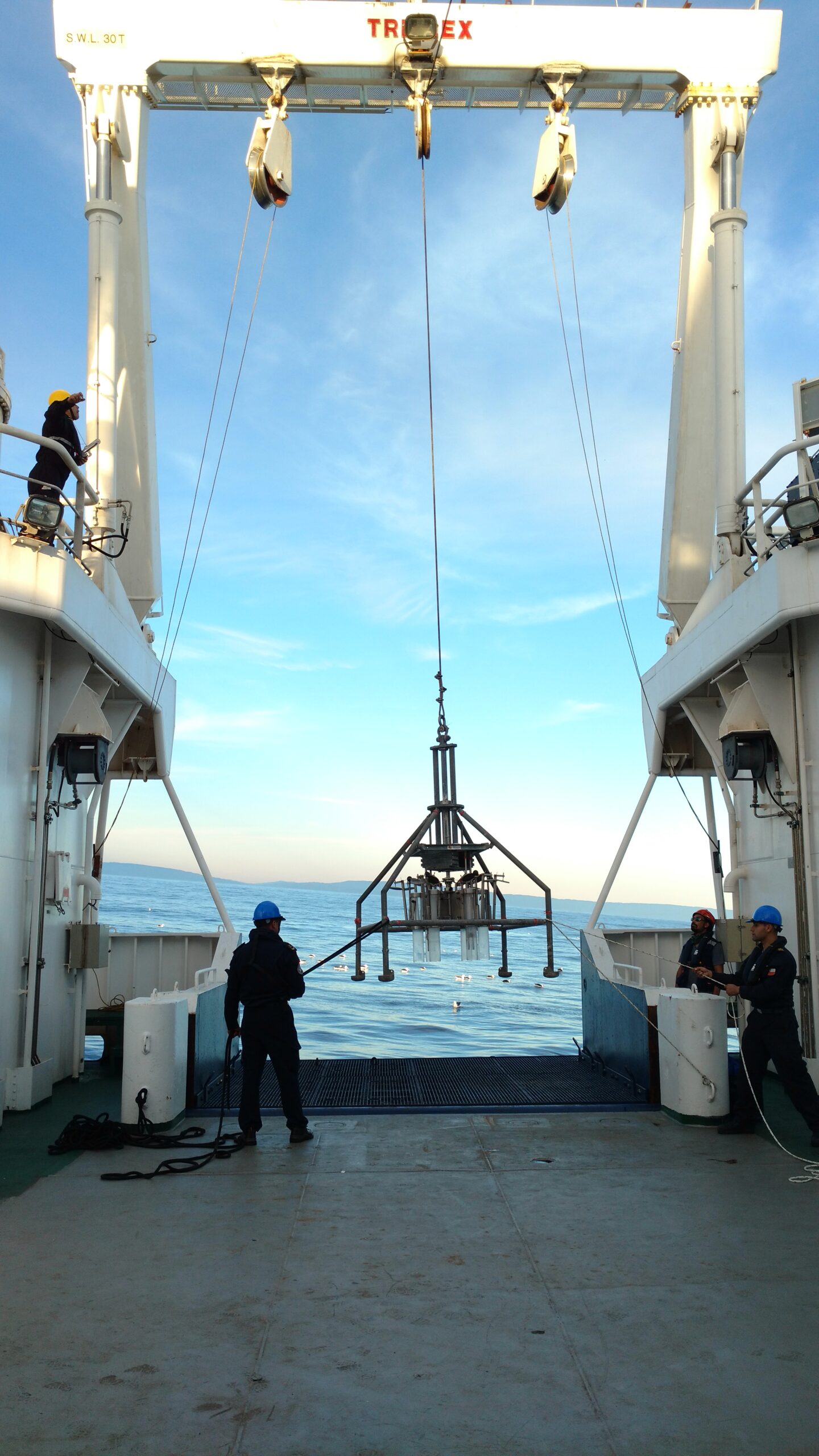
The expedition covered approximately 769 nautical miles, carrying out 15 oceanographic stations from the western coast of Chiloé to the Gulf of Corcovado, Reloncaví Sound, and the offshore area where dead salmon had been dumped weeks earlier. At each station, seawater, sediment, and marine organism samples were collected to characterize the physical, chemical, and biological conditions of the system. Scientific diving operations were also conducted for the collection of benthic specimens at selected sites.
One of the main objectives was to determine the oceanographic and environmental factors associated with the development of the algal bloom and to scientifically assess the possible relationship between the salmon disposal event and the red tide crisis. The results obtained during the expedition, complemented by subsequent laboratory analyses and oceanographic modelling, concluded that the salmon disposal was not the cause of the Harmful Algal Bloom event, providing scientific evidence to understand one of the largest red tide episodes recorded in southern Chile.
The participation of the Millennium Institute of Oceanography (IMO) in the Red Tide Expedition represented one of the Institute’s first contributions to addressing a nationally relevant environmental issue.
Scientific Objectives
- Characterize the physical, chemical, and biological conditions of the ocean in areas affected by the red tide event.
- Determine the spatial distribution of Alexandrium catenella and other species responsible for Harmful Algal Blooms (HABs).
- Collect seawater, sediment, and marine organism samples to assess oceanographic conditions during the event.
- Investigate the possible relationship between the salmon disposal event that occurred in March 2016 and the development of the red tide.
- Generate scientific information to support decision-making during the environmental crisis.
Onboard Technology
- AGS-61 Cabo de Hornos oceanographic research vessel.
- CTD-Rosette system for seawater sampling at different depths.
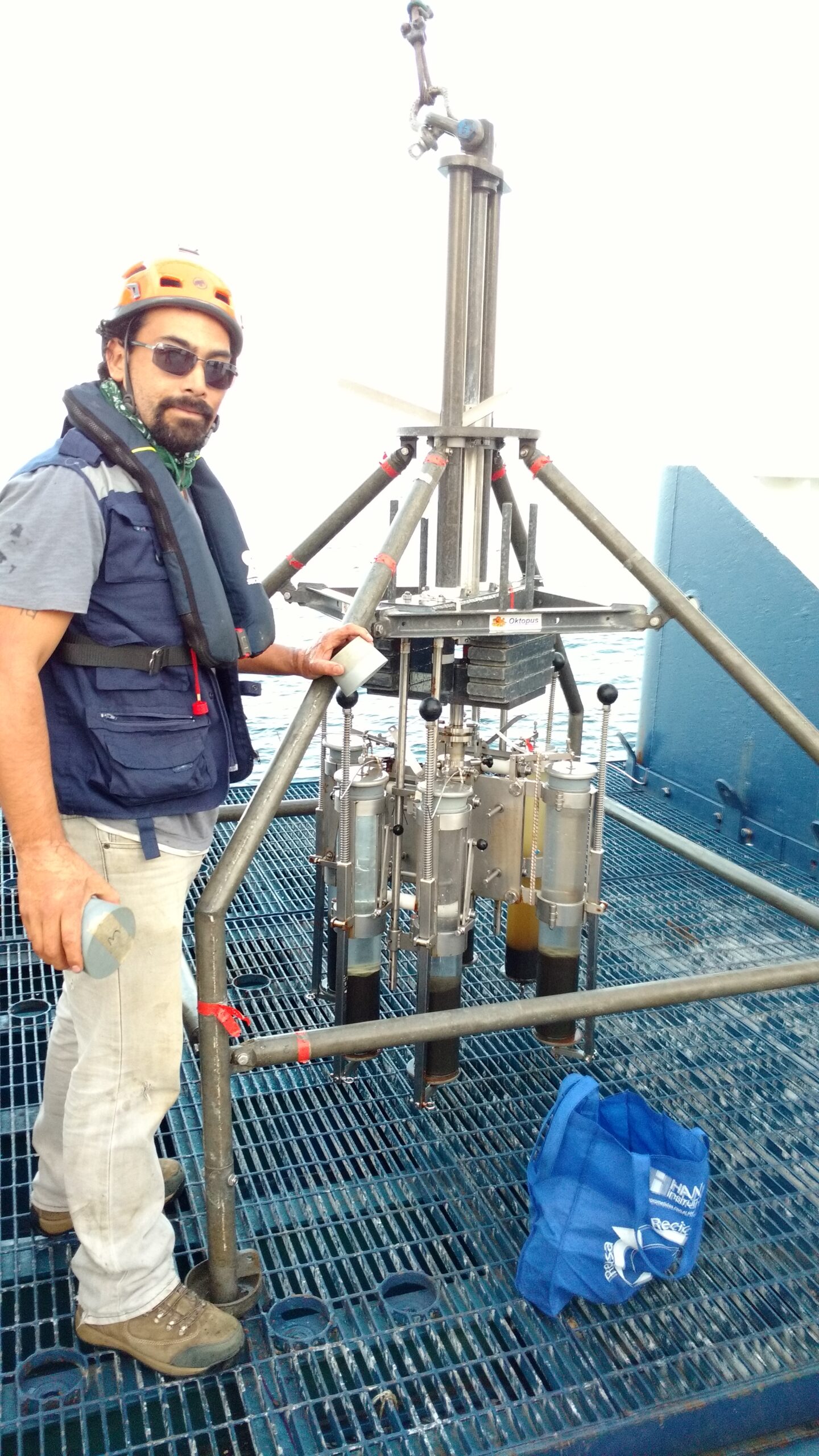
- Marine sediment sampling equipment.
- Agassiz trawl for collecting benthic organisms.
- Instrumentation for phytoplankton analyses and oceanographic measurements.
- Multibeam echosounder for bathymetric surveys.
- ADCP systems for current measurements.
- Onboard oceanographic laboratories for initial sample processing.
Participating Institutions
- Millennium Institute of Oceanography (IMO)
- University of Concepción
- University of Los Lagos
- Pontifical Catholic University of Chile
- Ministry of Economy, Development and Tourism
- Undersecretariat of Fisheries and Aquaculture (SUBPESCA)
- Chilean Navy.