BioReactor-I – FALKOR (two)
General Description and Scientific Significance
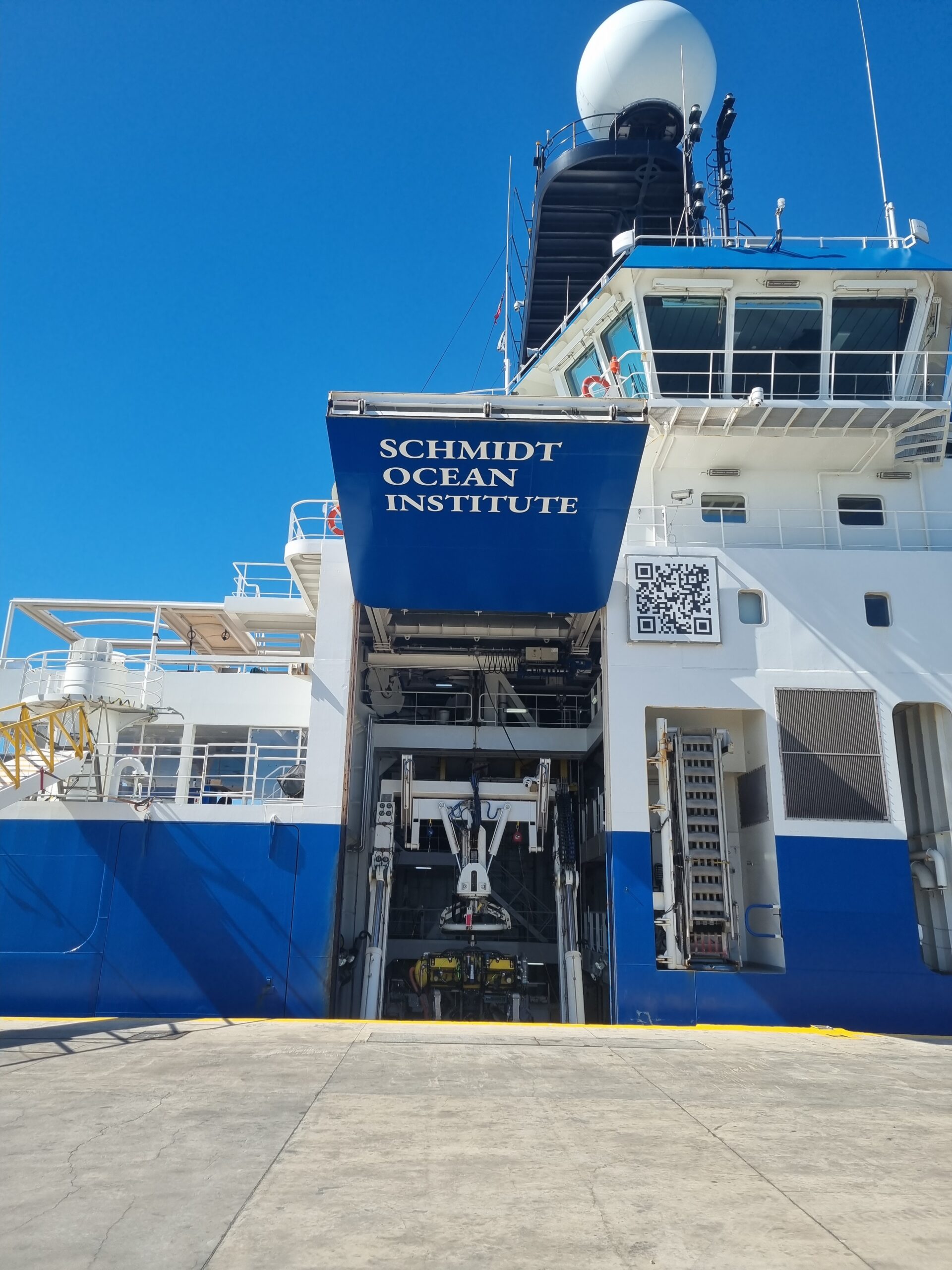
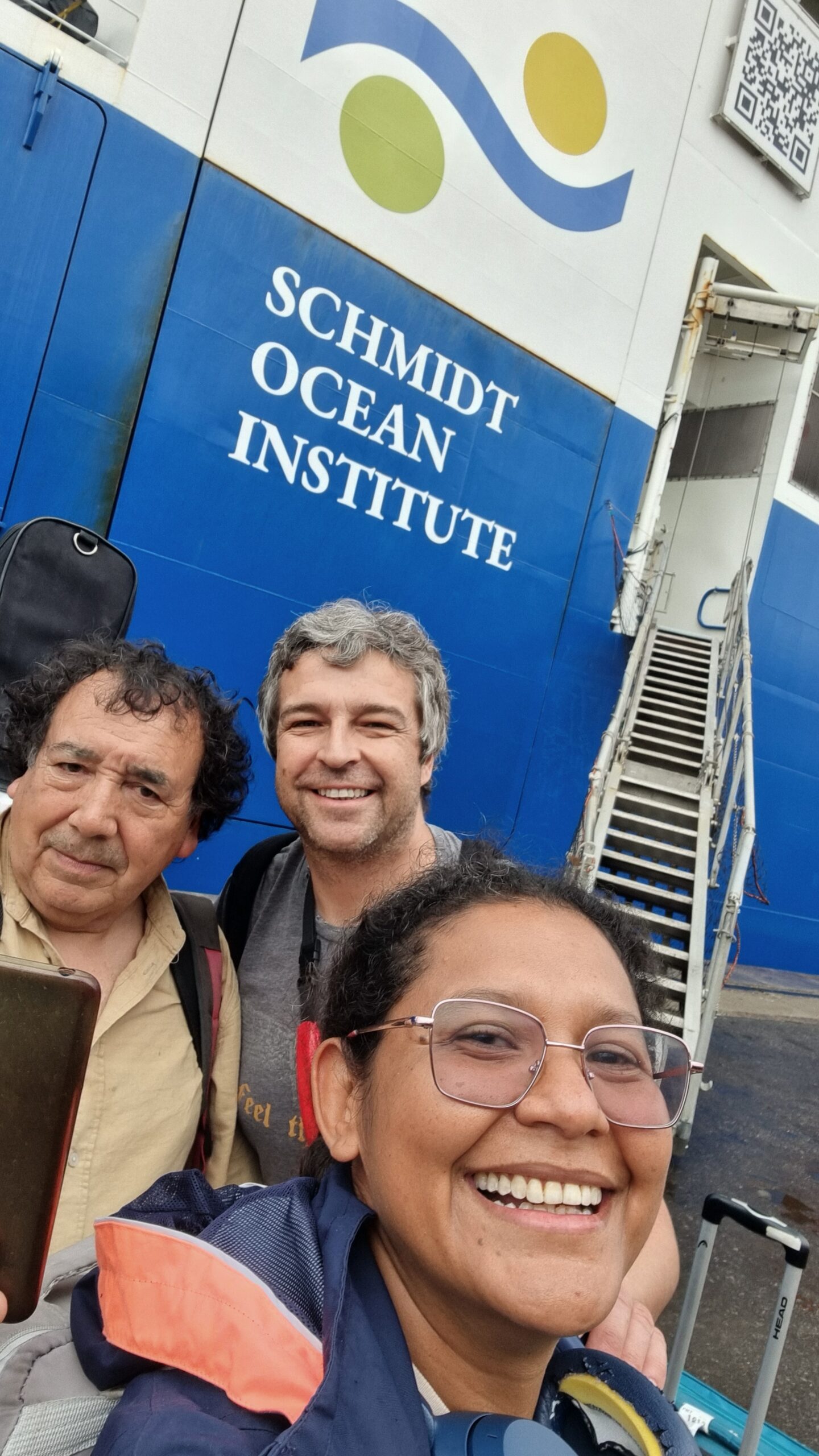
The BioReactor-I (Animals as Living Bioreactors – Part I) expedition was conducted between January 19 and February 24, 2026, aboard the research vessel R/V Falkor (too) of the Schmidt Ocean Institute (United States). The mission brought together an international team of researchers from the Americas, Europe, and Oceania to investigate one of the ocean's most important yet least understood biological processes: the daily vertical migration of marine organisms and its contribution to the global carbon cycle.
The expedition was led by Dr. Anitra Ingalls of the University of Washington, in collaboration with the Schmidt Ocean Institute and the Schmidt Sciences Virtual Institute for Ocean Biogeochemistry, bringing together specialists in biological oceanography, microbiology, biogeochemistry, marine ecology, and numerical modeling. The Millennium Institute of Oceanography (IMO) participated through Dr. Rubén Escribano, Dr. Susana Cabrera, and Nicolás Bralic, who contributed their expertise in zooplankton ecology and vertical migration processes in the southeastern Pacific.
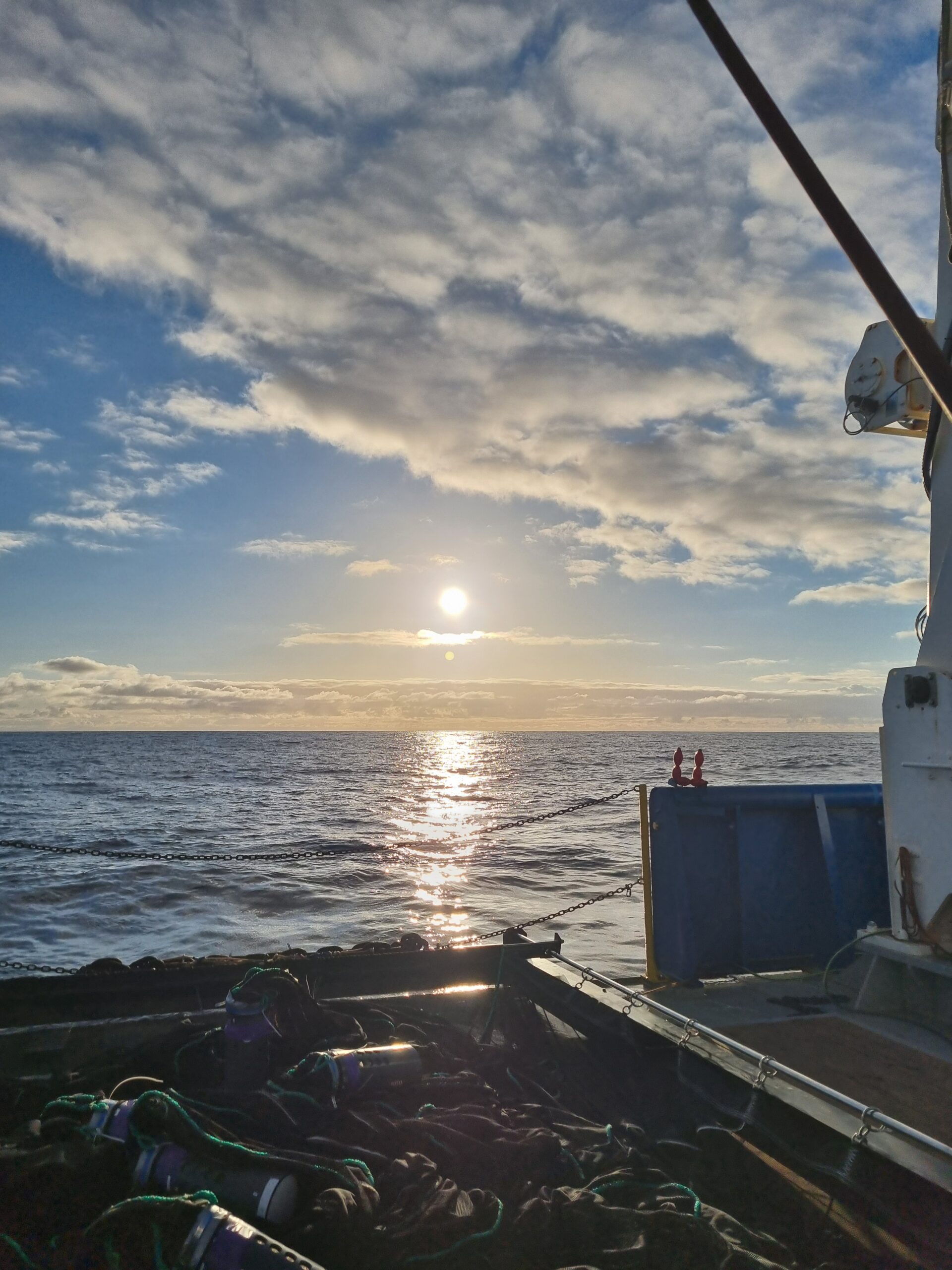
Field operations were conducted in the deep waters of the Southwestern Atlantic, off the coast of South America, combining direct observations using the ROV SuBastian, sampling of mesopelagic organisms with the MOCNESS-10 net system, oceanographic profiling with CTD-Rosette systems, scientific acoustics, and drifting sediment traps. This integrated suite of technologies enabled researchers to simultaneously investigate organism behavior, gut microbiomes, organic matter transformation, and carbon fluxes to the deep ocean.
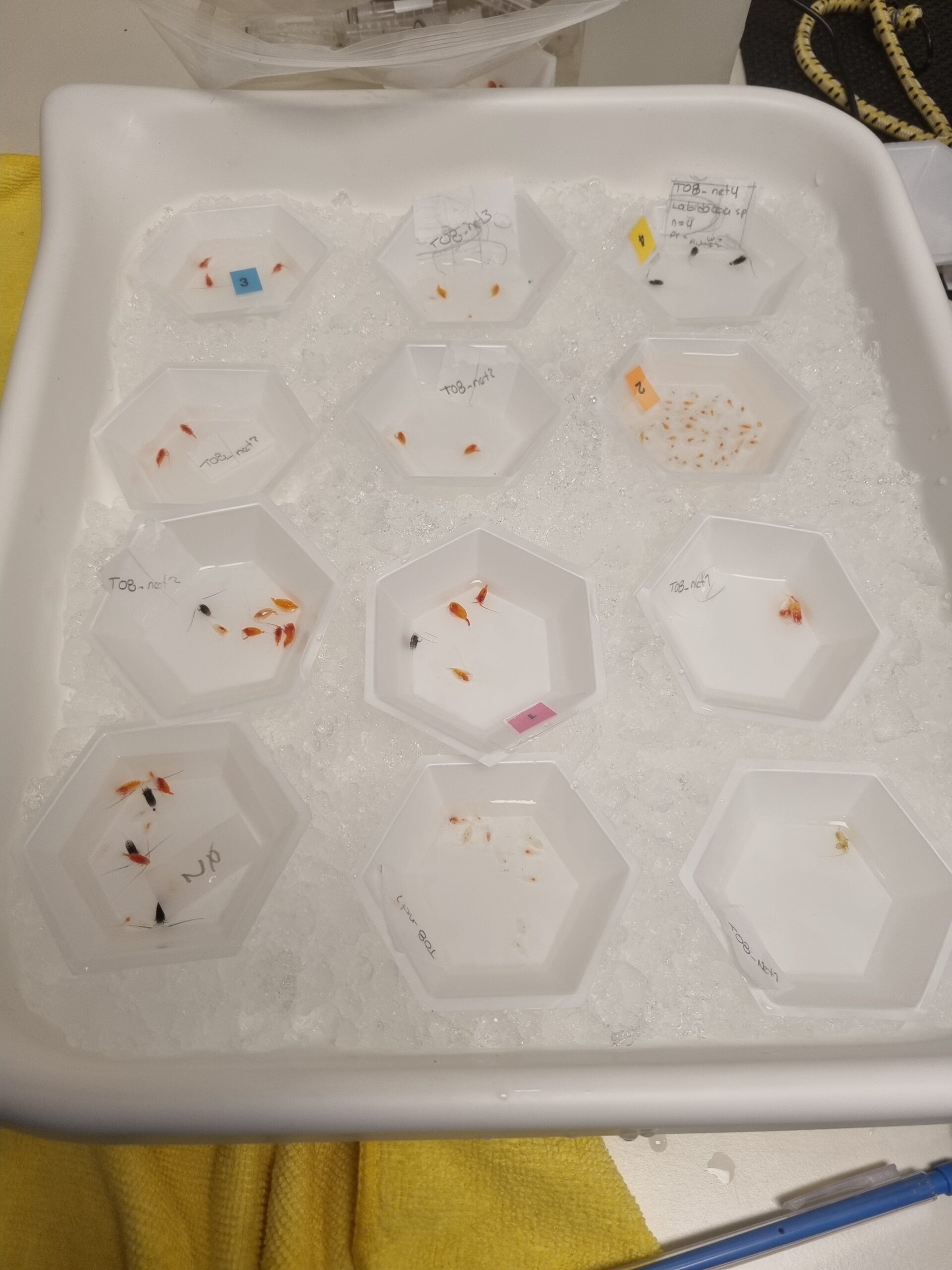
One of the expedition's principal scientific contributions was testing the hypothesis that the digestive tracts of mesopelagic organisms function as natural "living bioreactors," where microbial communities transform ingested organic matter into biomolecules and compounds that are subsequently transported to great depths. Understanding these processes will improve estimates of the ocean's capacity to sequester atmospheric carbon and strengthen models projecting the response of the global climate system to climate change.
BioReactor-I also represents a major milestone in IMO's international engagement, reinforcing its leadership in deep-ocean biogeochemical research and strengthening collaborations with some of the world's leading oceanographic research institutions.
Scientific Objectives
- Understand the role of daily vertical migration in transporting carbon to the deep ocean.
- Characterize the composition and functioning of the gut microbiome of mesopelagic organisms.
- Determine how digestive processes transform organic matter during vertical migration.
- Quantify the contribution of these organisms to the biological carbon pump.
- Integrate biological, oceanographic, and microbiological observations to improve global carbon cycle models.
Onboard Technology
- The expedition employed a combination of state-of-the-art observational and sampling platforms to simultaneously investigate marine organisms, biological processes, and oceanographic conditions.
- ROV SuBastian – A remotely operated vehicle capable of high-resolution observations, 4K video recording, and collecting biological and geological samples at depths of several thousand meters using robotic manipulator arms.
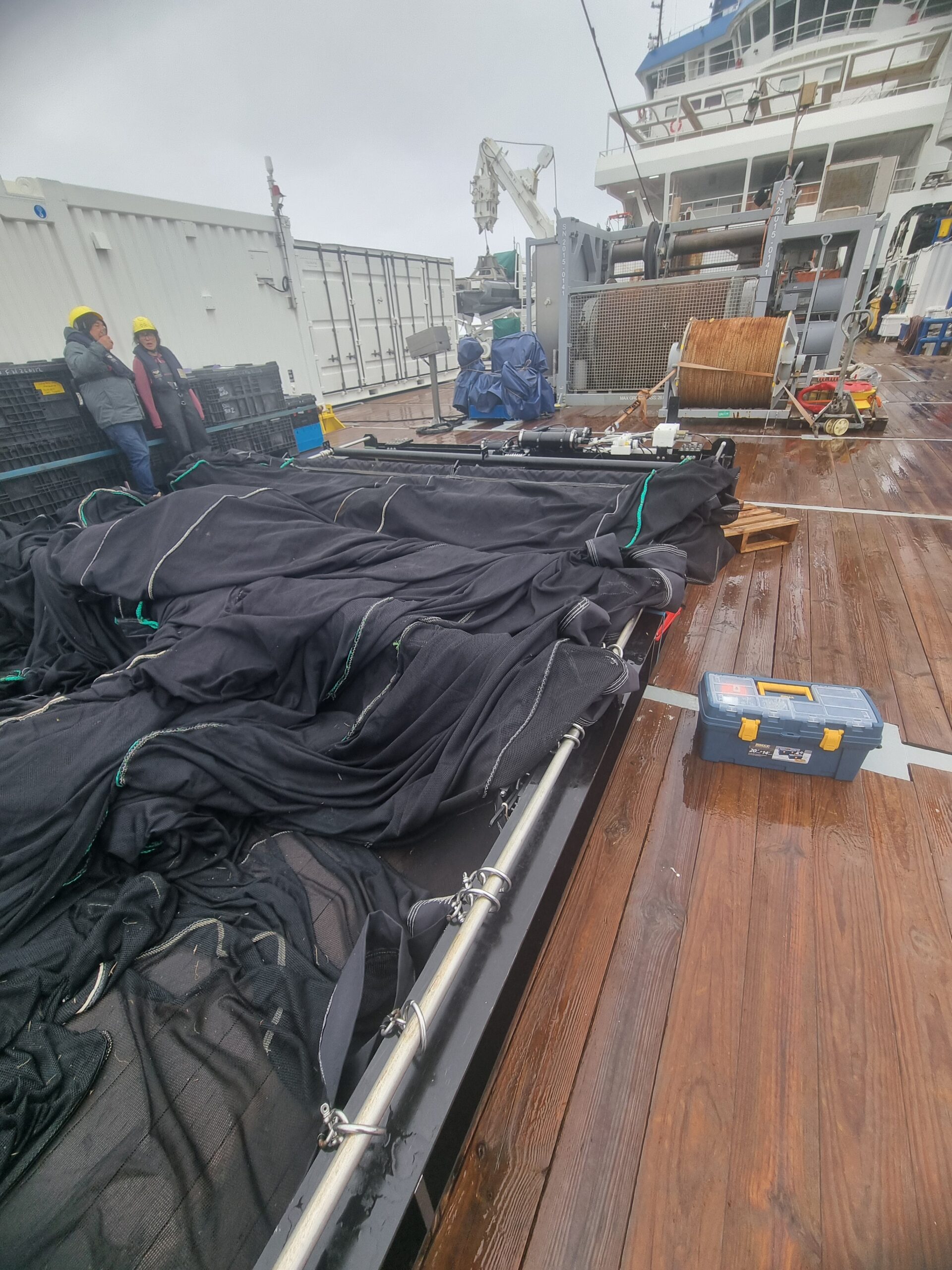
- MOCNESS-10 System – A multiple opening/closing net system operated by IMO to capture mesopelagic organisms at different depth strata, enabling researchers to relate species' vertical distributions to environmental conditions.
- CTD-Rosette – An oceanographic system used to obtain profiles of temperature, salinity, dissolved oxygen, and fluorescence, as well as to collect water samples for chemical and microbiological analyses.
- Scientific acoustics – Multi-frequency echosounders used to quantify biomass and track the daily movements of vertically migrating organisms.
- Drifting sediment traps – Instruments designed to measure the vertical flux of particles and carbon exported to the deep ocean.
Participating Institutions
- Millennium Institute of Oceanography (Chile)
- Schmidt Ocean Institute (United States)
- Schmidt Sciences Virtual Institute for Ocean Biogeochemistry
- University of Washington
- University of Hawaii
- Bigelow Laboratory for Ocean Sciences
- Woods Hole Oceanographic Institution
- Various universities and research centers in North America, Europe, and Oceania.