Atacama Hadal
General Description and Scientific Significance
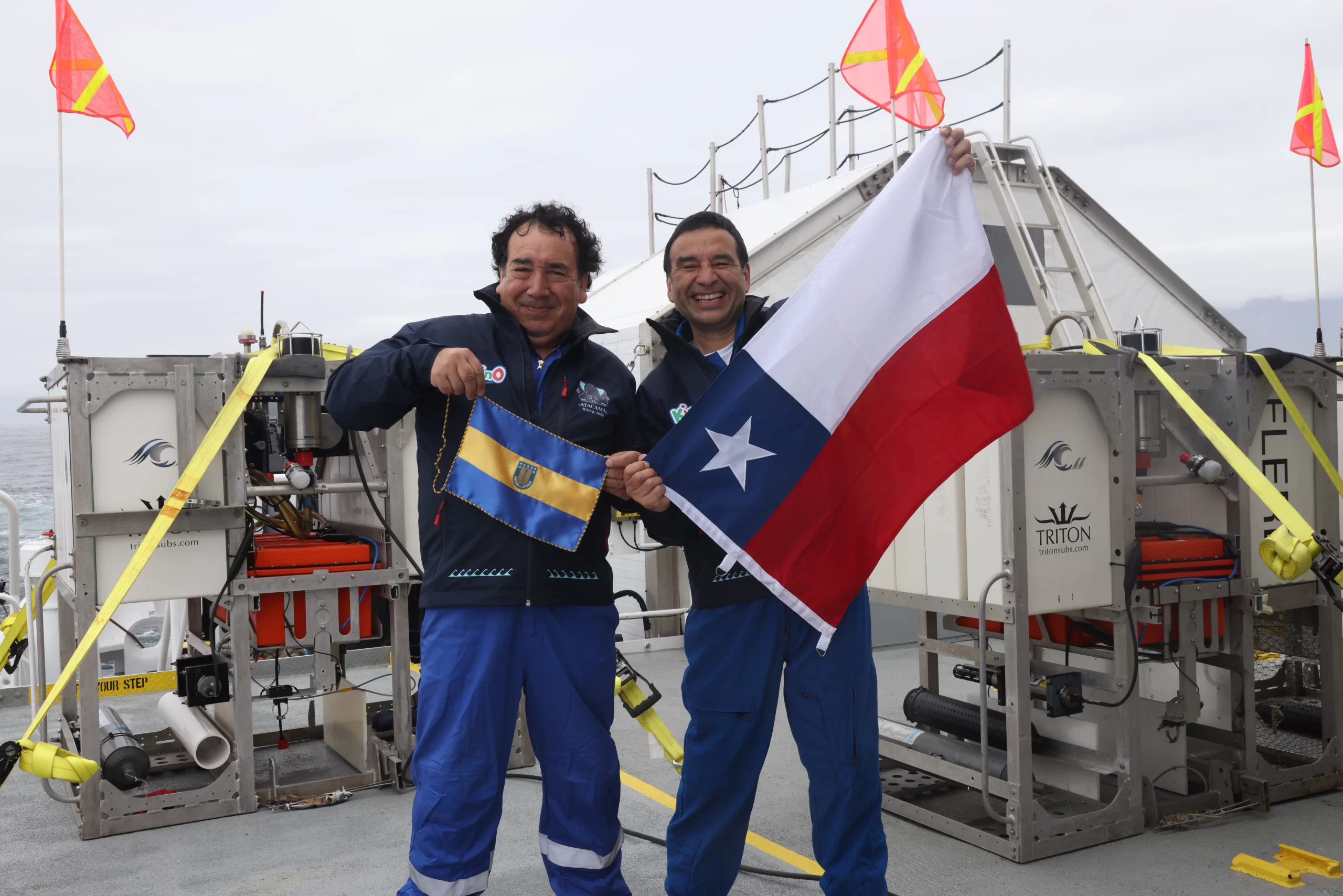
The Atacama Hadal expedition, conducted in January 2022, marked the first crewed mission to the Atacama Trench and represented a historic milestone for Chilean and Latin American oceanography. Led by the Millennium Institute of Oceanography (IMO) in collaboration with the University of Concepción, Caladan Oceanic, and several international institutions, the expedition aimed to carry out direct human observations of the hadal ecosystem through crewed dives to the deepest point of the trench.
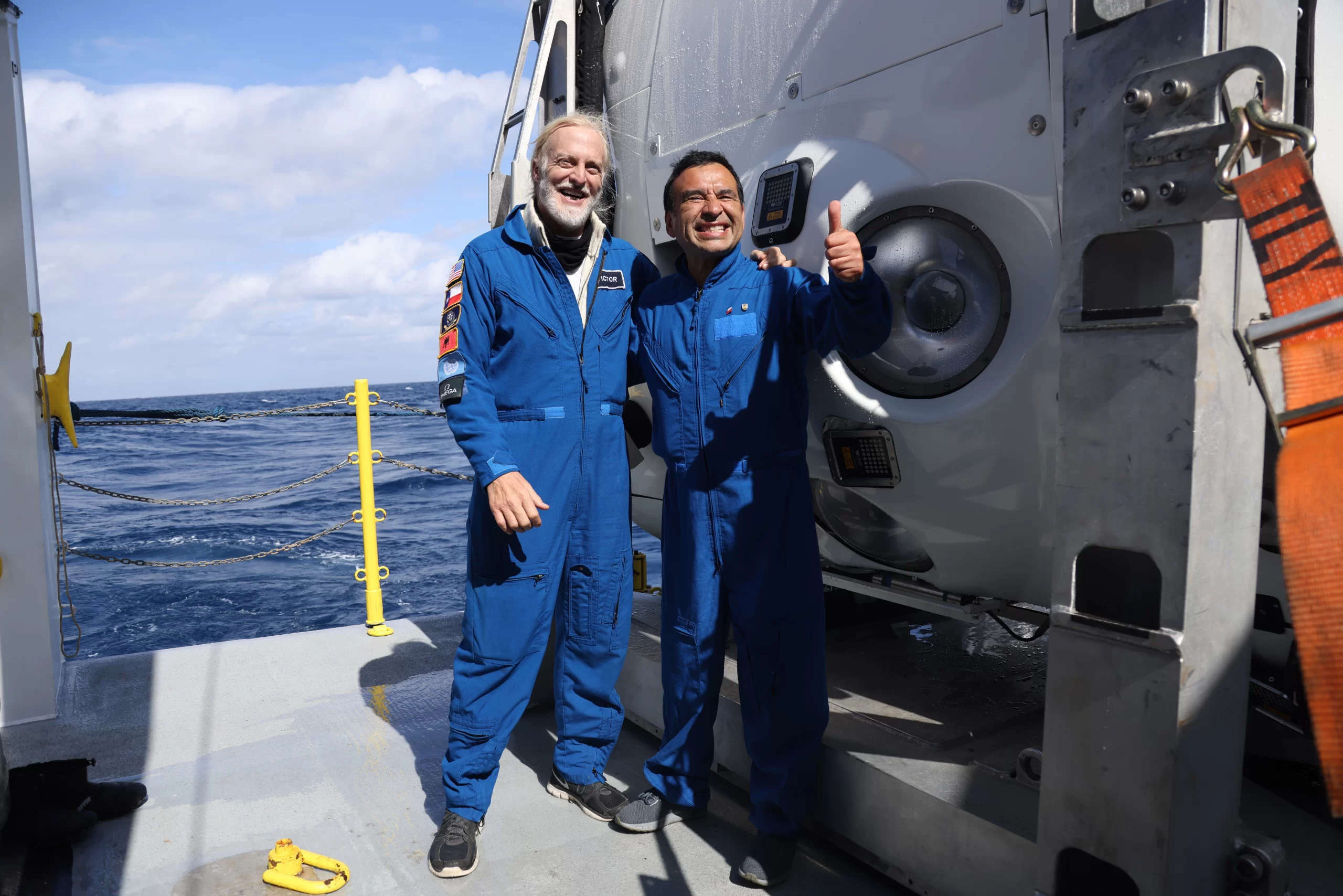
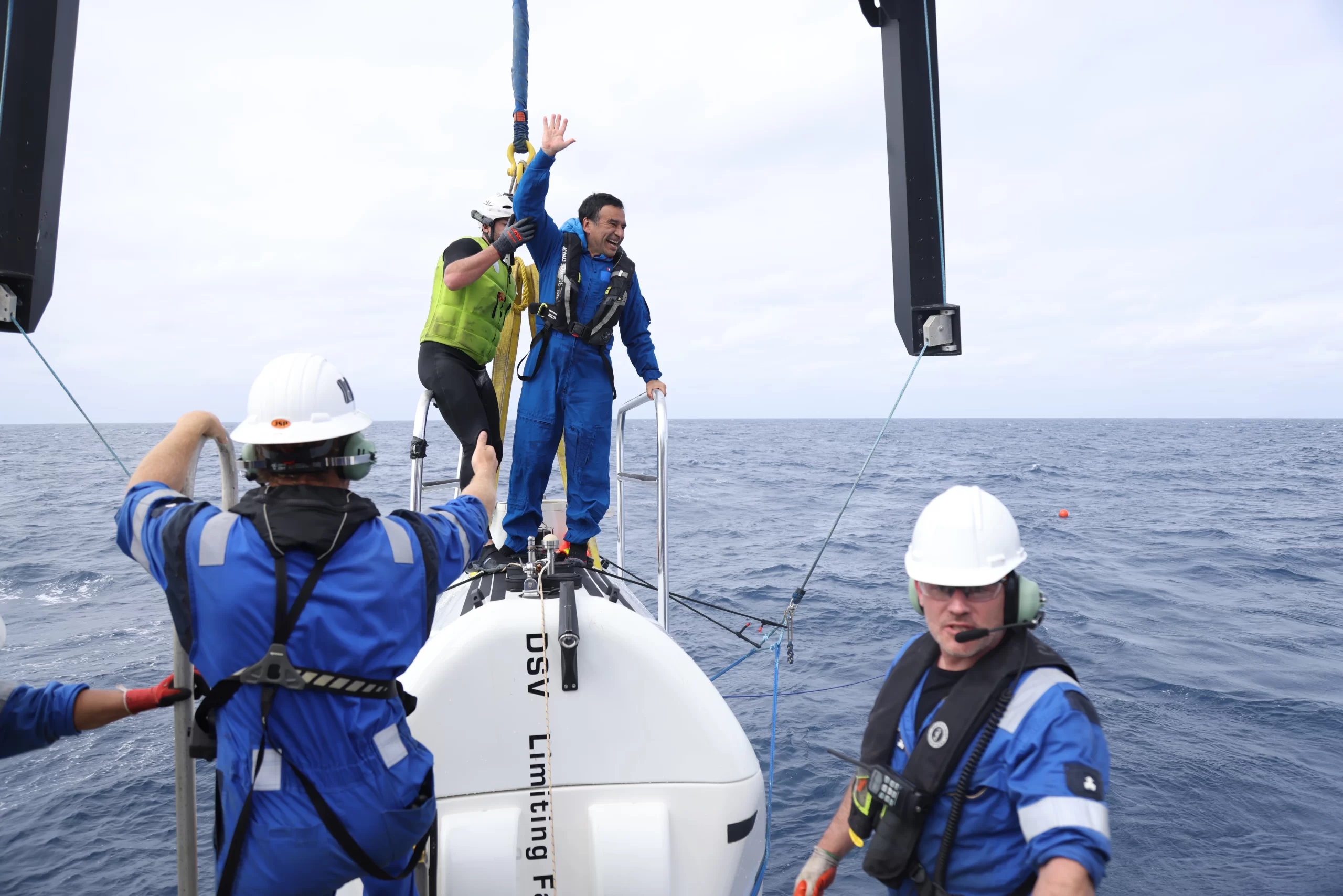
The expedition was carried out aboard the DSSV Pressure Drop, using the DSV Limiting Factor, one of the few full-ocean-depth submersibles in the world certified to operate at depths approaching 11,000 meters. This technology enabled safe access to environments that had never before been directly explored by humans in the Southeastern Pacific Ocean.
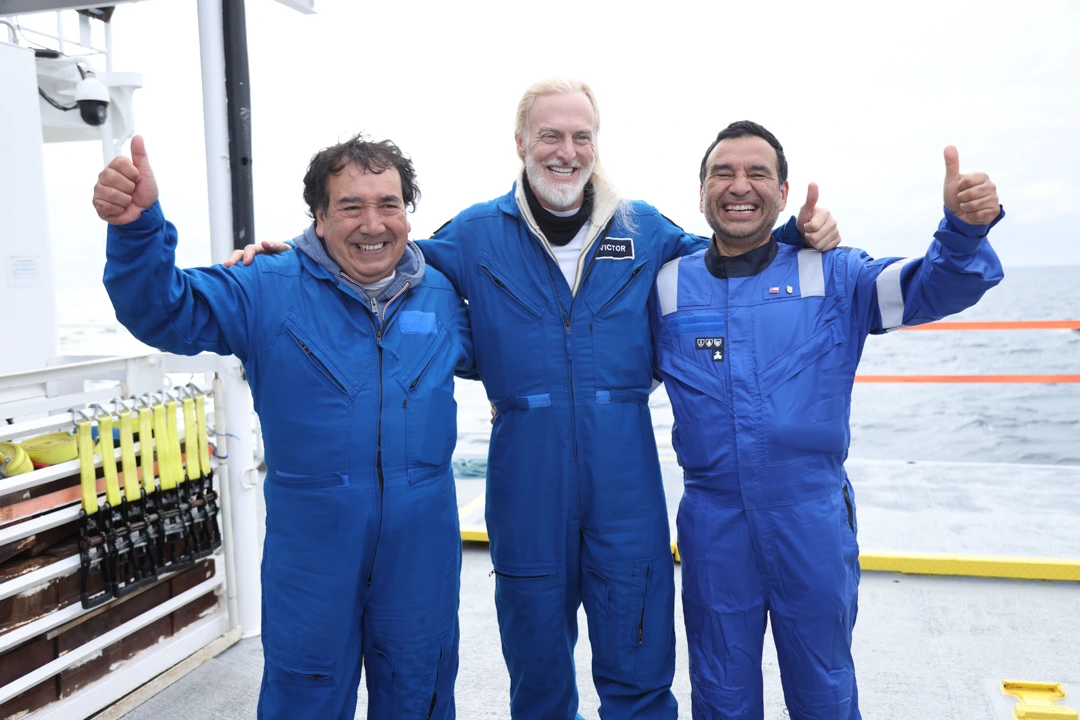
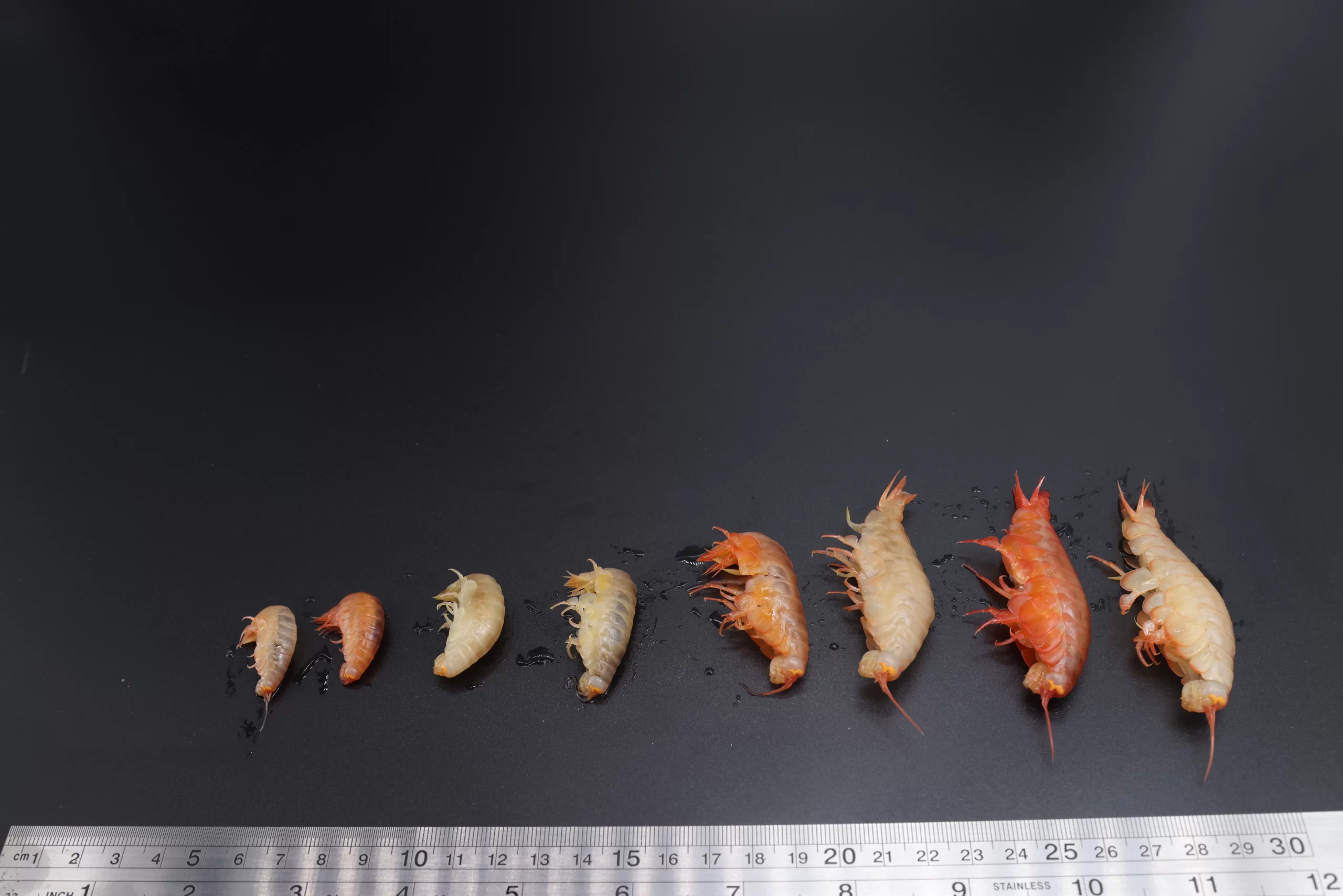
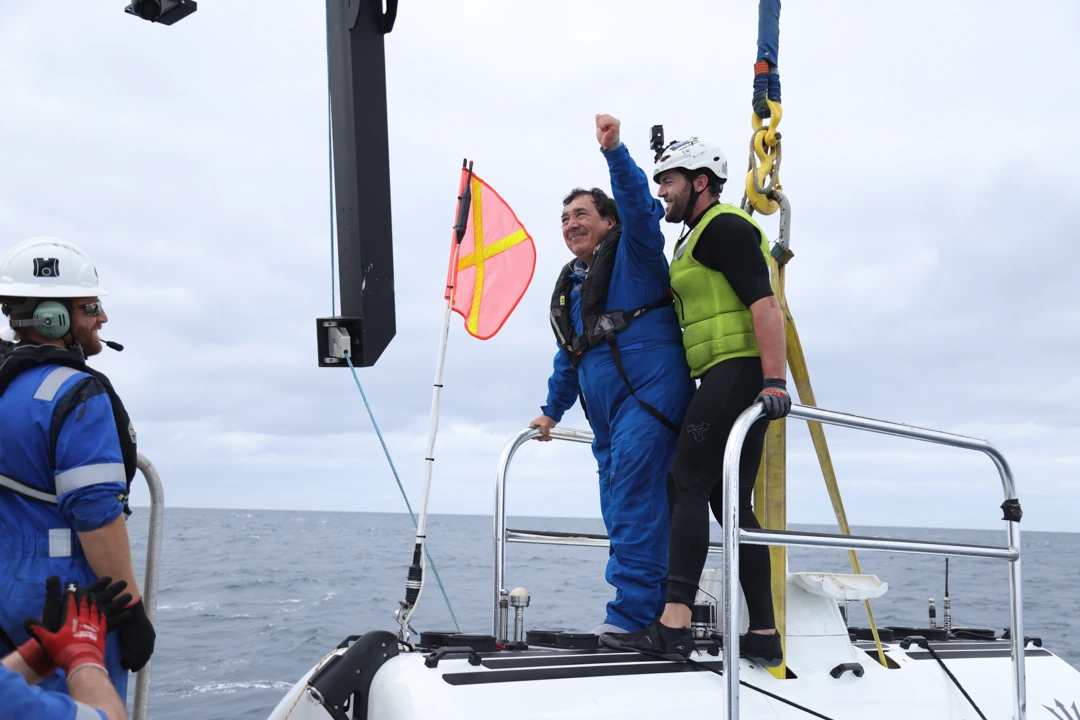
During the expedition, explorer Victor Vescovo, together with IMO researchers Dr. Osvaldo Ulloa and Dr. Rubén Escribano, conducted crewed dives to the bottom of the Atacama Trench, becoming the first humans to directly observe this extreme ecosystem. The dives produced high-resolution images and video, documented the seafloor landscape, and generated unprecedented information on the biodiversity, geology, and environmental conditions found at depths exceeding 8,000 meters.
Atacama Hadal complemented the findings of the earlier ATACAMEX expedition by incorporating direct human observations, significantly expanding our understanding of hadal ecosystem functioning and reinforcing Chile's position as an international leader in deep-ocean exploration.
The expedition marked a new chapter in IMO's hadal research program, demonstrating the value of international collaboration and crewed deep-sea exploration technologies for investigating one of the most remote and least understood environments on Earth.
Scientific Objectives
- Conduct the first crewed dives into the Atacama Trench.
- Visually document the hadal ecosystem.
- Obtain new information on deep-sea biodiversity, geology, and oceanography.
- Complement the findings of the ATACAMEX expedition through direct human observations.
- Strengthen international deep-ocean research.
Onboard Technology
- DSSV Pressure Drop research vessel, serving as the support platform for full-ocean-depth exploration operations.
- DSV Limiting Factor crewed submersible, certified for dives to approximately 11,000 meters depth.
- Underwater navigation and positioning systems for high-precision operations in hadal environments.
- High-definition cameras for photographic and video documentation of the seafloor.
- High-intensity lighting systems for observations in complete darkness.
- Instrumentation for direct seafloor observation, geological description, and hadal habitat surveys.
- Communication and tracking systems linking the submersible with the surface support vessel throughout each dive.
Participating Institutions
- Millennium Institute of Oceanography (IMO)
- University of Concepción
- Caladan Oceanic LLC