
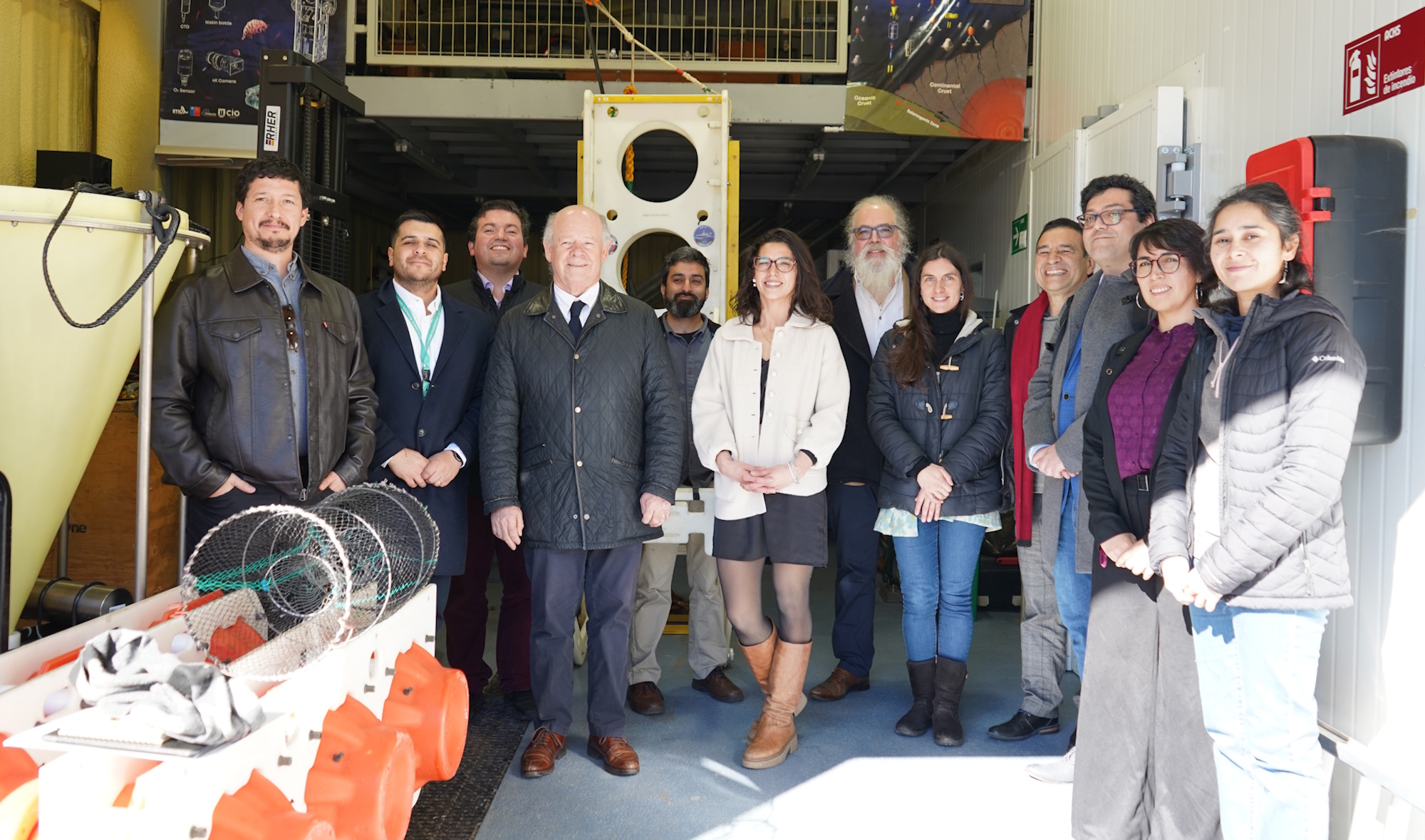
The alliance seeks to promote joint research and innovation projects, advanced human capital development, and new opportunities for technology transfer by integrating the capabilities of both institutions to study deep-ocean ecosystems.
The launch ceremony or the framework cooperation agreement between the MELISA Institute and the Millennium Institute of Oceanography (IMO in spanish) was held at the Vice-Rectorate for Research and Development of the University of Concepción. This initiative establishes a framework for developing new avenues of scientific and technological collaboration.
The event was attended by the Regional Ministerial Secretary (seremi) of Science, Technology, Knowledge, and Innovation for Biobío and Ñuble, Pedro Ramírez Glade, who toured the IMO facilities to see firsthand the center's cutting-edge research on the ocean and its complex processes.
The agreement sets strengthening collaboration in Chilean oceanographic research as one of its main objectives, generating new knowledge about Chilean water ecosystems, particularly those associated with the deep ocean. Additionally, it encompasses the joint development of research, development, and innovation (R&D+i) projects, human capital training activities, internships, professional practices, information exchange, and participation in technology transfer initiatives.
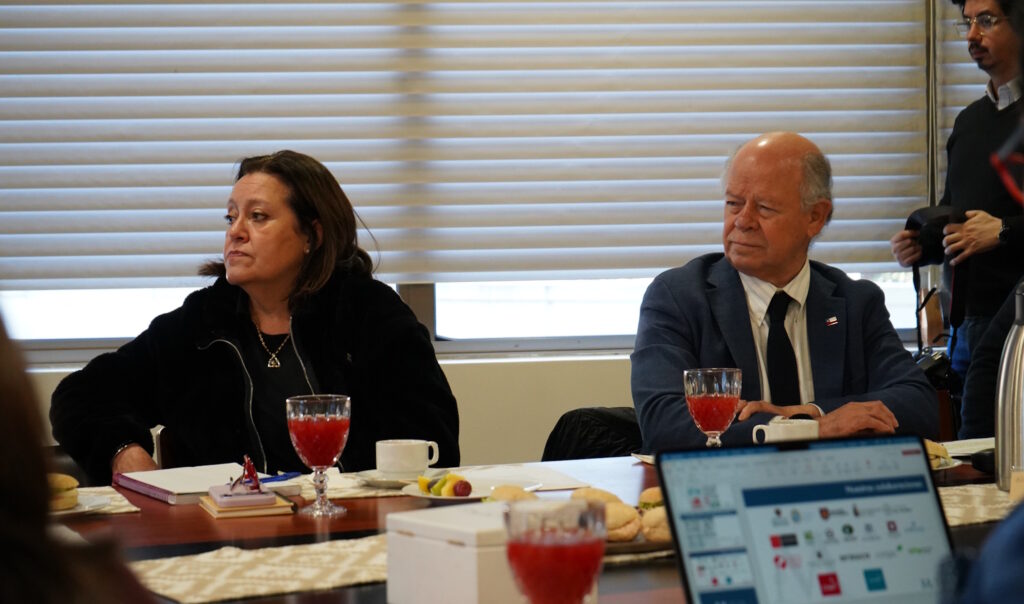
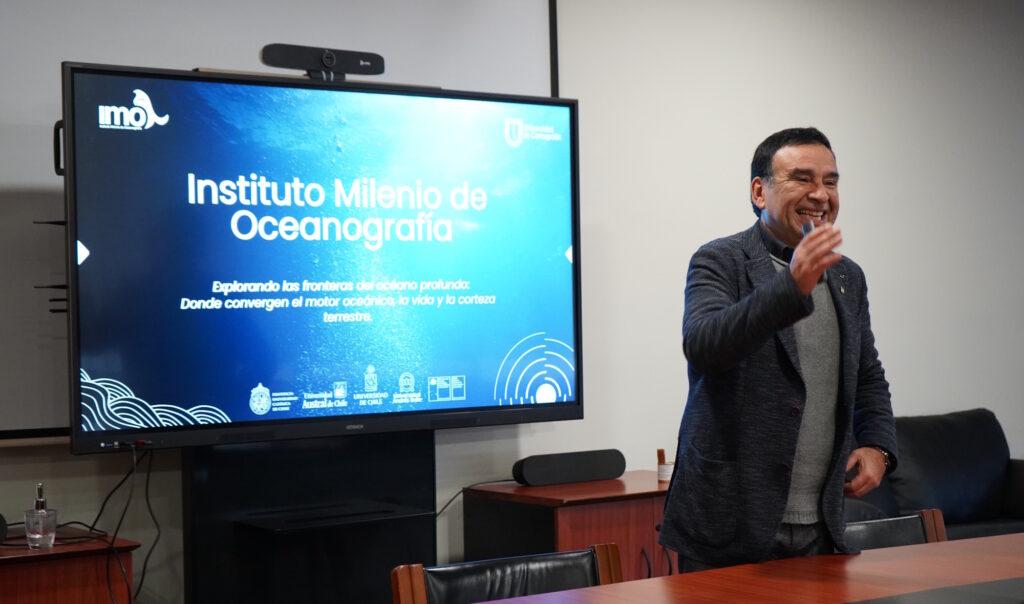
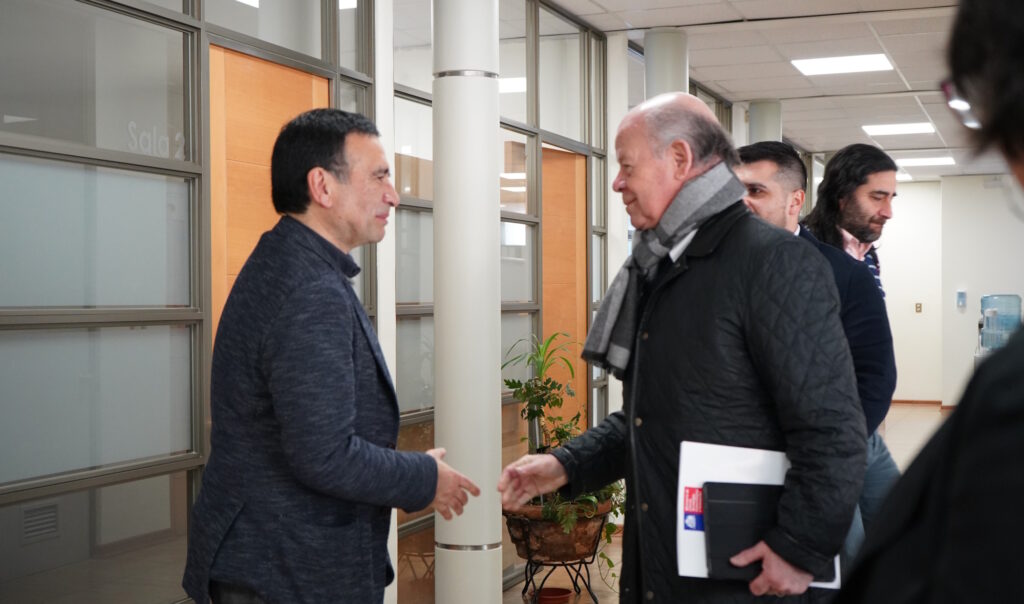
One focus of this collaboration will be studying organisms capable of adapting to the extreme conditions found in environments such as the Atacama Trench. The IMO conducts frontier research in deep-ocean environments, while MELISA Institute contributes specialized capabilities in applied proteomics, genomics, and bioinformatics.
During the event Osvaldo Ulloa QuijadaDirector of the Millennium Institute of Oceanography, highlighted the complementarity between both institutions. He explained that the agreement will enable joint study of the adaptations of microorganisms and fauna inhabiting environments characterized by extreme pressure, temperature, and total absence of light—also opening future application possibilities in industrial processes that require operating under similar conditions.
For his part, the Regional Ministerial Secretary of CTCI, Pedro Ramírez Glade, emphasized the relevance of the research conducted by the IMO and the potential it holds for knowledge and future development. “The research being conducted in the ocean at depths of 8,000 meters is generating baseline information that will make it possible to solve concrete societal needs in the future. Even more, it opens the door for us to discover phenomena we are currently unable to see”, he noted.
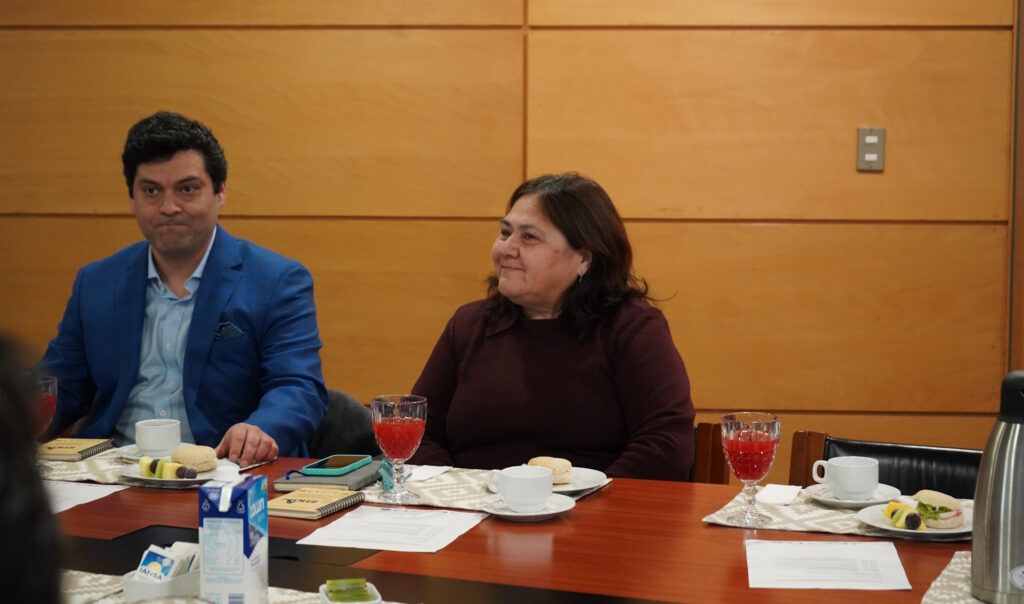
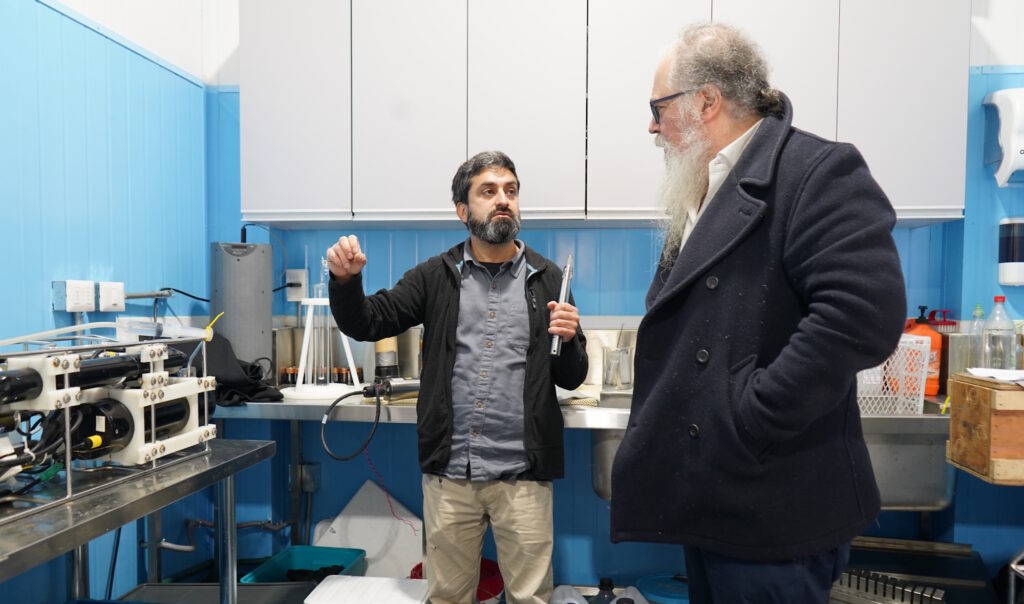
Meanwhile, Elard Koch, chairman of MELISA Institute, valued the opportunity to put MELISA's technological and scientific capabilities at the service of this exploration. "They are conducting discovery science, exploring what lies on the seabed at depths over 8,000 meters”, he stated, emphasizing that proteomics and genomics will help contribute to understanding new forms of life and the mechanisms that allow them to survive in extreme conditions.
The alliance also aligns with the University of Concepción's goal of strengthening ties between academia and industry. Andrea Catalán LobosDirector of Development and Innovation at VRID UdeC, highlighted that this agreement represents “a concrete action in terms of technology transfer, research, and applied development in collaboration with ecosystem stakeholders”.