JCATE
General Description and Scientific Significance
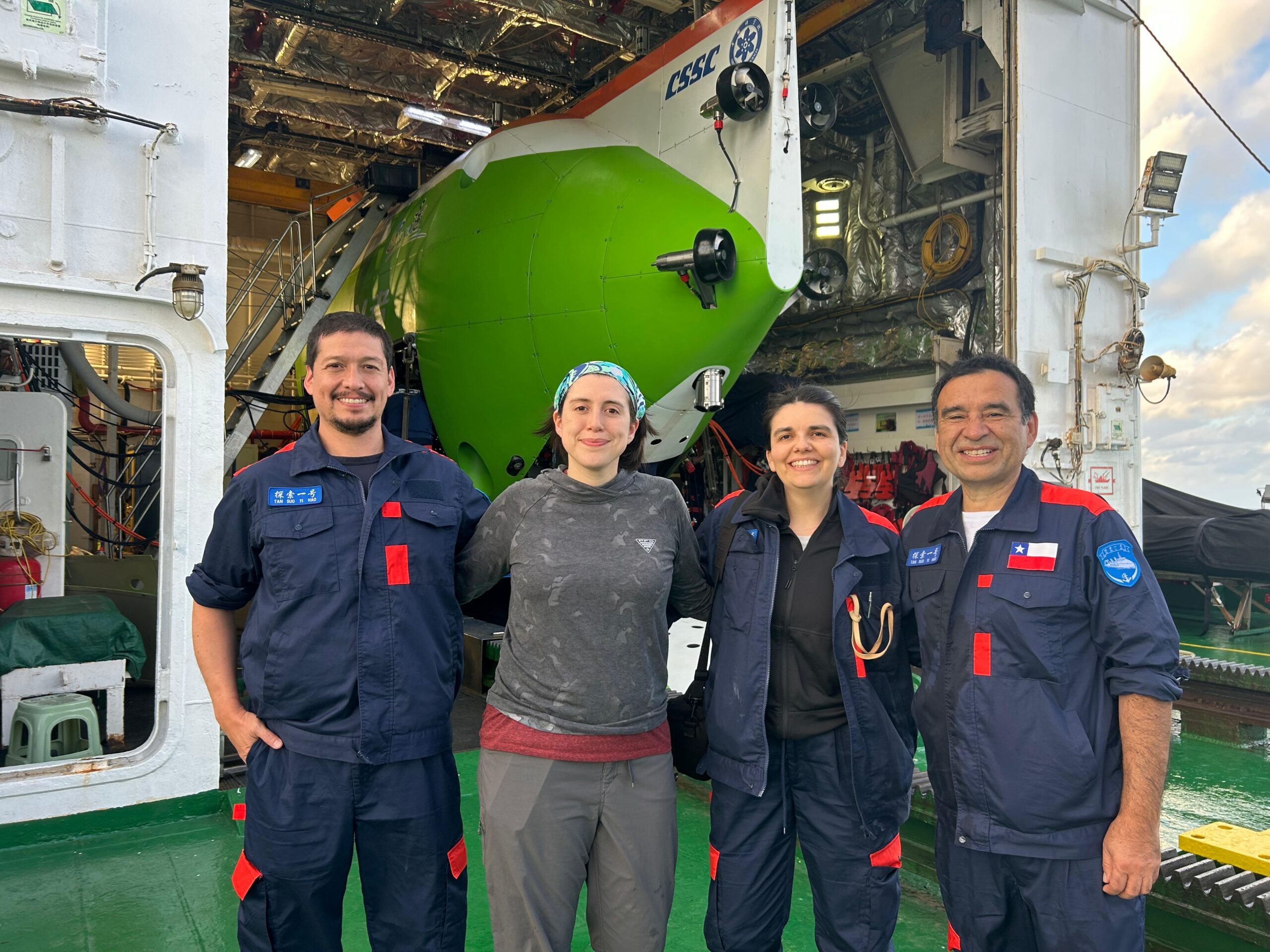
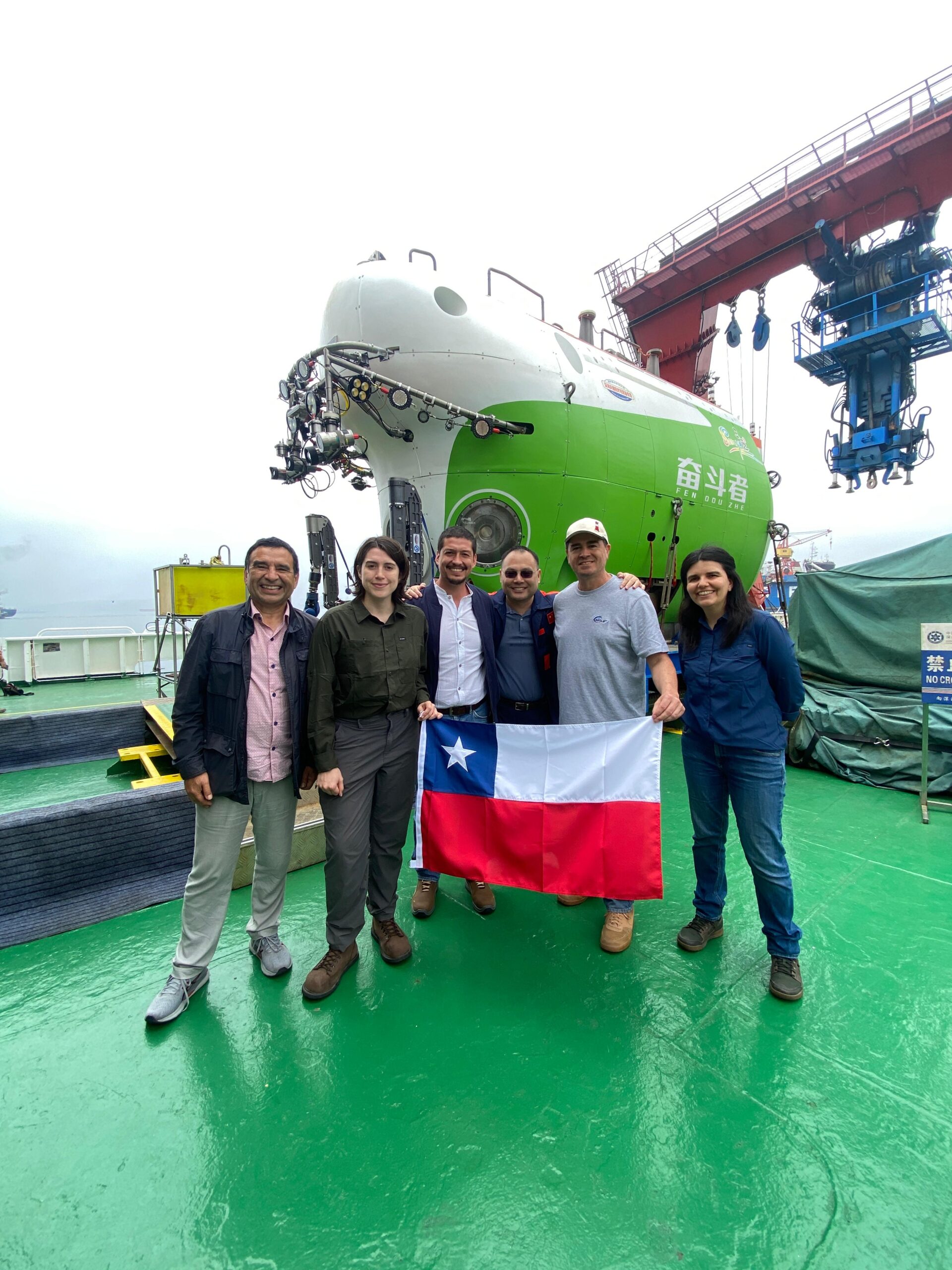
The JCATE (Joint China–Chile Atacama Trench Expedition), conducted between January and March 2026, represents the most ambitious scientific campaign ever carried out in the Atacama Trench. The mission was jointly led by the Millennium Institute of Oceanography (IMO) at the University of Concepción and the Institute of Deep-sea Science and Engineering (IDSSE) of the Chinese Academy of Sciences (CAS), consolidating a strategic partnership between Chile and China for deep-ocean research.
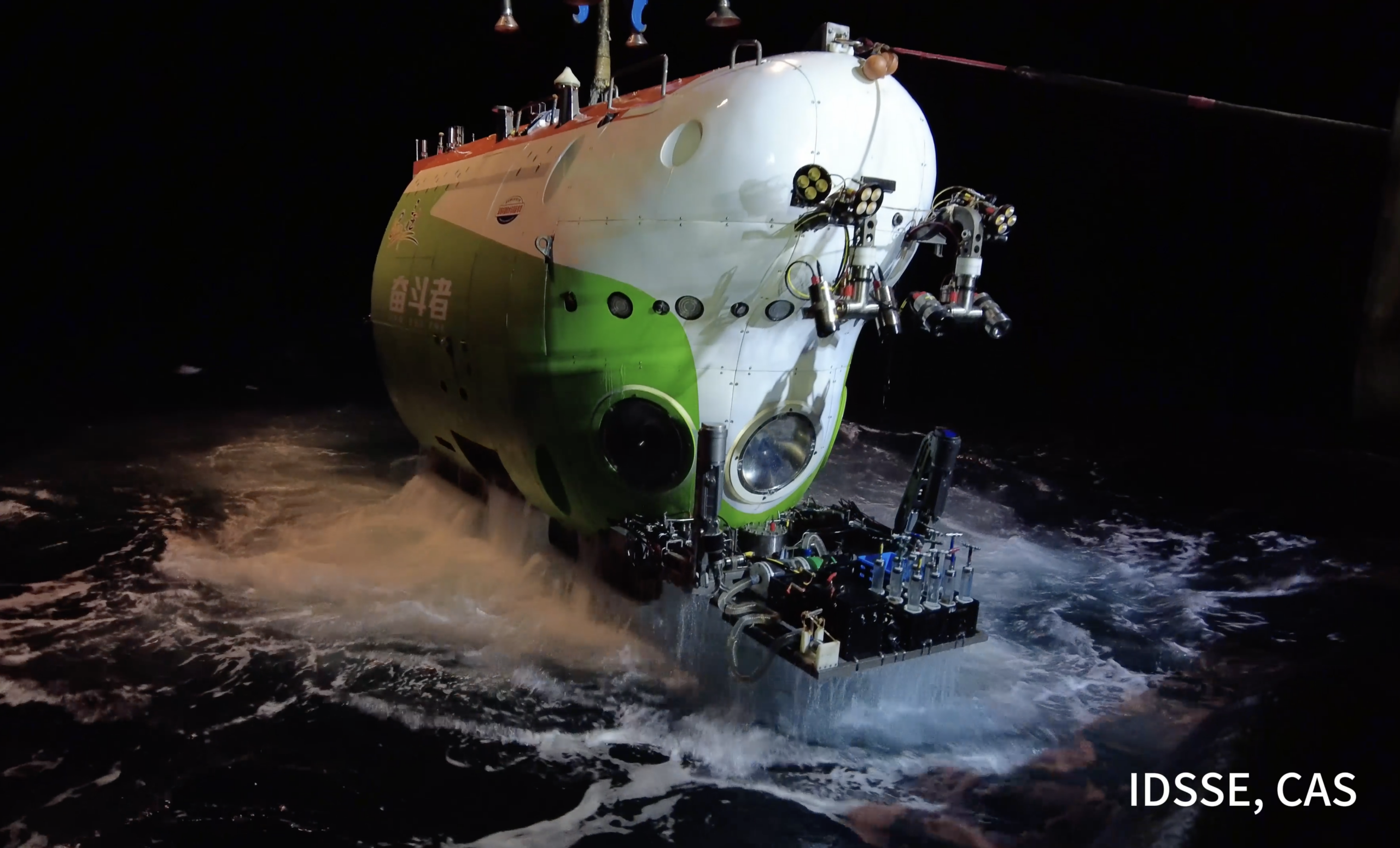
The expedition was carried out aboard the research vessel Tansuo-1, using the crewed submersible Fendouzhe, one of the world's most advanced deep-diving platforms, certified to operate at depths exceeding 10,000 meters. This infrastructure enabled a systematic investigation of the Atacama Trench through multiple crewed dives, direct observations, high-precision biological and geological sampling, and large-scale oceanographic surveys.
Throughout the expedition, dozens of research stations were conducted to investigate hadal biodiversity, tectonic processes associated with the subduction zone, the microbiology of extreme environments, carbon transport, and the occurrence of chemosynthetic ecosystems (cold seeps). These operations generated one of the most comprehensive datasets ever collected for the Atacama Trench.
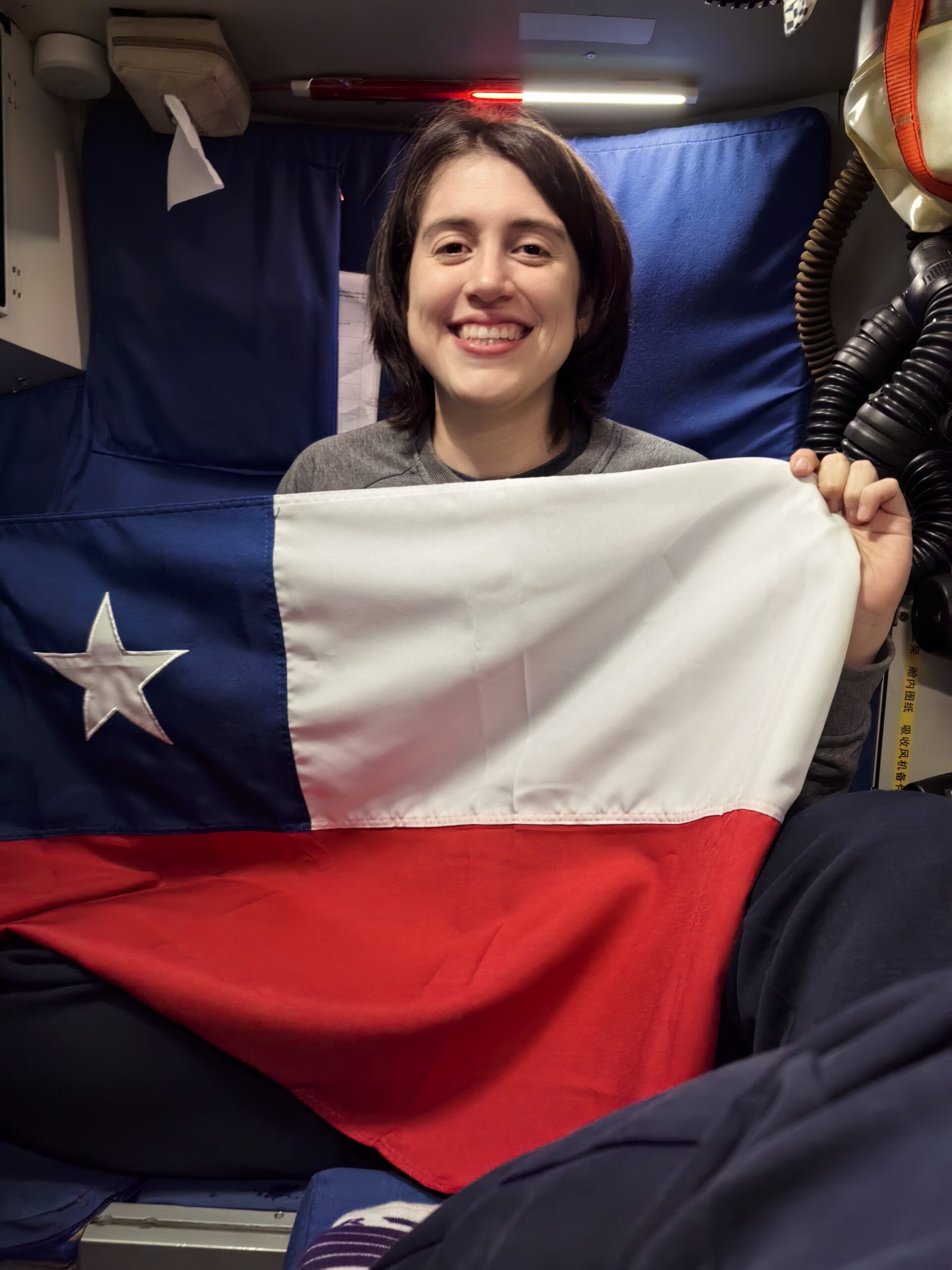
JCATE also marked a milestone for Chilean participation in deep-sea exploration. IMO postdoctoral researcher Dr. Valeria Cortés became the first woman to descend into the Atacama Trench, reaching a depth of 7,680 meters aboard the Fendouzhe. Subsequently, geologist Paola Peña became the first representative of the Chilean government to conduct a scientific dive into the hadal zone.
Beyond its technological and scientific achievements, JCATE established the Atacama Trench as one of the world's leading natural laboratories for investigating geodynamic processes, biodiversity, and the functioning of the deep ocean. The expedition strengthened international scientific cooperation and reaffirmed IMO's leadership in hadal research, opening new opportunities for future deep-ocean exploration campaigns in the southeastern Pacific.
Scientific Objectives
- Investigar la biodiversidad de los ecosistemas hadales de la Fosa de Atacama mediante observaciones directas y muestreo biológico.
- Study the geological and tectonic processes associated with the Nazca–South American subduction zone.
- Characterize the microbiology and functioning of extreme deep-ocean ecosystems.
- Analyze carbon transport and storage in hadal environments.
- Identify and study chemosynthetic ecosystems (cold seeps) and their associated biodiversity.
- Strengthen scientific cooperation between Chile and China in deep-ocean exploration.
Onboard Technology
- Tansuo-1 research vessel, an oceanographic platform for ultra-deep exploration.
- Fendouzhe crewed submersible, certified for dives exceeding 10,000 meters.
- Acoustic navigation and positioning systems for hadal operations.
- High-definition cameras and advanced lighting systems for visual documentation of the seafloor.
- Robotic manipulator arms for collecting biological, geological, and sediment samples.
- Oceanographic instrumentation for physical and chemical measurements throughout the water column.
- Sampling systems for sediments, benthic organisms, and fluids associated with chemosynthetic ecosystems.
Participating Institutions
- Millennium Institute of Oceanography (IMO)
- University of Concepción
- Institute of Deep-sea Science and Engineering (IDSSE)
- Chinese Academy of Sciences (CAS)